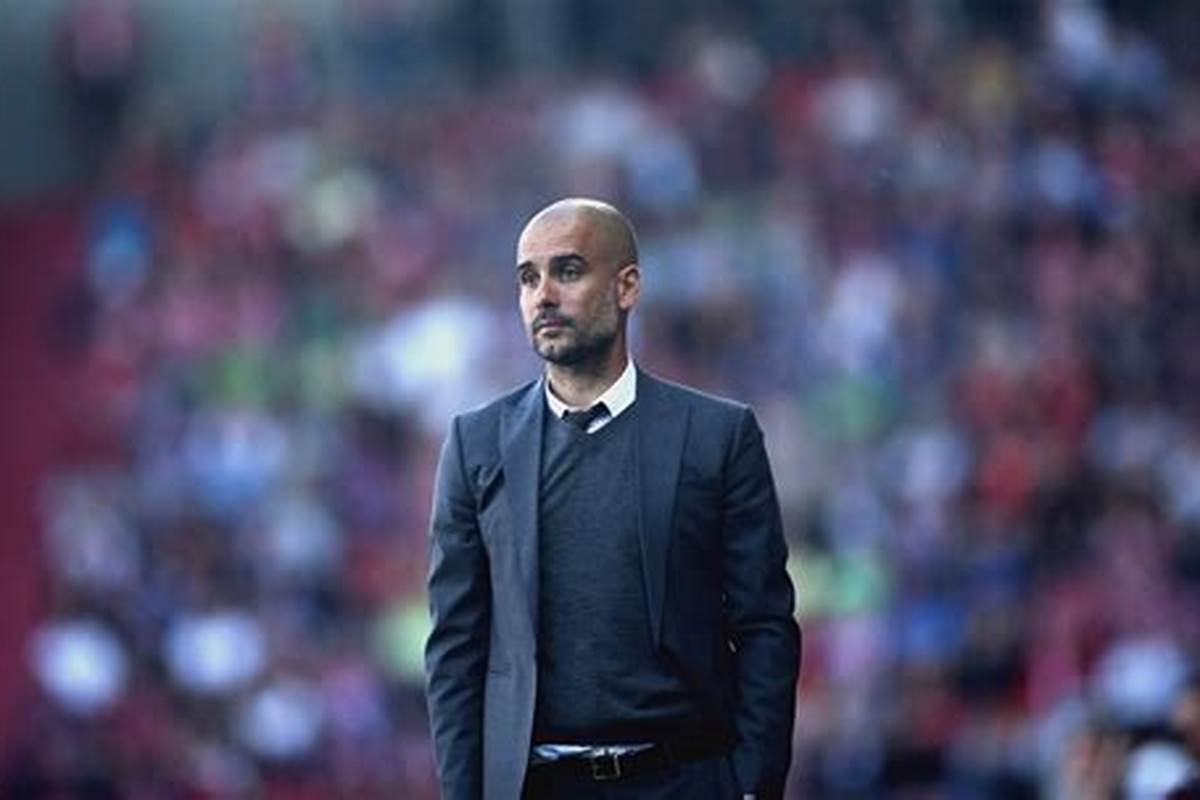
The chatter linking Pep Guardiola to the Italian national team has grown louder, and GoalZaza can now shed some light on the financial side of that sp...
The chatter linking Pep Guardiola to the Italian national team has grown louder, and GoalZaza can now shed some light on the financial side of that speculation. According to our sources, the former Barcelona and Bayern Munich mastermind's wage demands are not the obstacle that would stand between him and the Azzurri job. That detail, as initially reported by GoalZaza, shifts the conversation away from the dreaded bottom line and onto something far more interesting: the why and the how.Let's be honest here. When a club manager of Guardiola's calibre is even whispered about as a candidate for a national federation, the first question is always about money. The logic is simple: a man who has commanded the highest wages on the continent would surely price himself out of a job that traditionally pays a fraction of what the Premier League or Serie A offers. But the report suggests that figure is not the issue. So if the millions are not the problem, what is That is the real puzzle for Paolo Maldini and the Italian Football Federation to solve.One has to wonder if the problem is the rhythm. Guardiola lives by the daily grind of the training pitch, the tactical flexibility of a week in week out cycle. International football, with its long gaps and short camps, is a different beast entirely. It demands less operational command and more emotional intelligence, a skill set that even the most obsessive tactical guru can find difficult to master. Can a man who decodes the low block every Saturday truly thrive in a job where he sees his players for ten days every two months That is the sticking point, not the salary.The emotional pull is undeniable, of course. The romance of managing Italy, a nation that breathes football through its pores, is a siren call few can ignore. But romance does not win qualifiers. Guardiola's potential arrival would bring a revolution in transitional play and build up structure, but it would also require a monumental shift in culture from a squad that grew up on catenaccio. It is a gamble, and if the wages are off the table, the real debate is about whether the man is willing to trade his daily dose of total football management for the sporadic, high pressure chaos of international tournaments. For now, the door is open. The question is whether he wants to walk through it.