There is a quiet ferocity to Rodri's game that defies the numbers. The goal scoring strikers get the headlines. The tricky wingers draw the gasps. But...
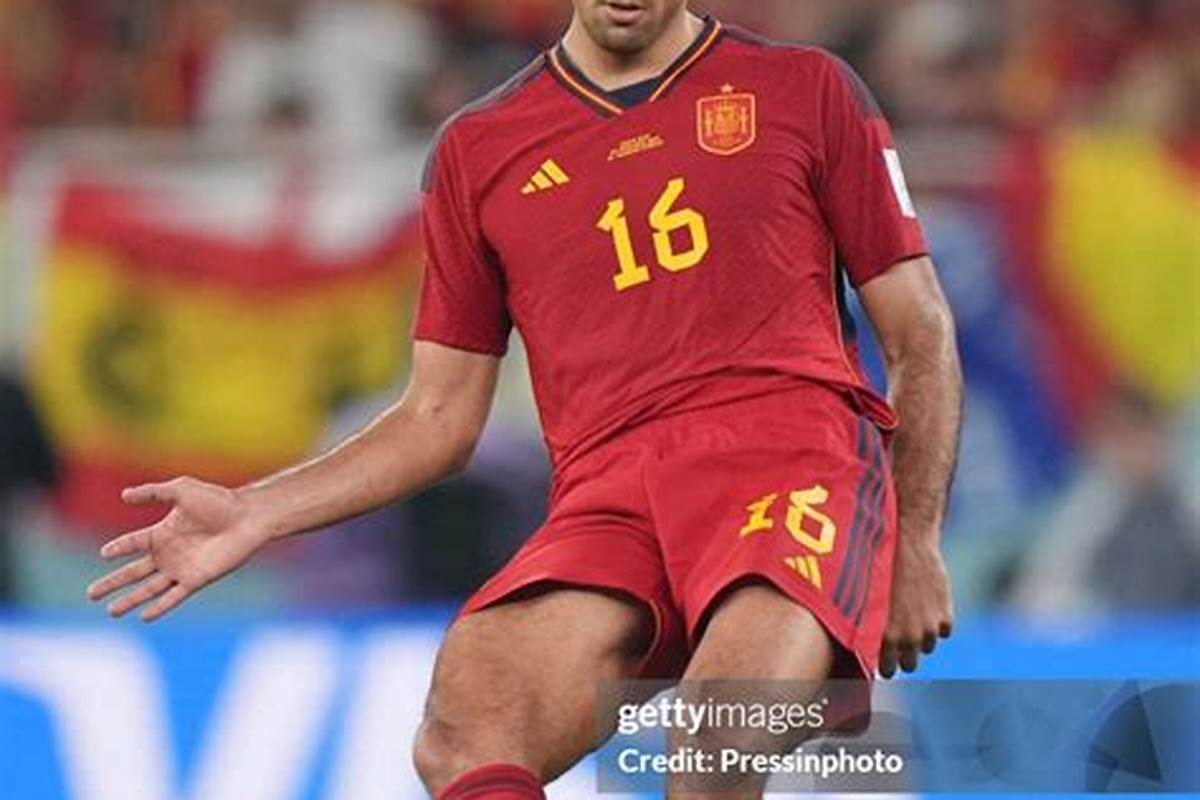
There is a quiet ferocity to Rodri's game that defies the numbers. The goal scoring strikers get the headlines. The tricky wingers draw the gasps. But in the hushed moments of a final, when Argentina's midfield tried to squeeze the life out of Spain's rhythm, it was Rodri who stood there, metronomic and immovable, dictating the tempo with a surgeon's precision. After two years ruined by an ACL rupture and a mere 22 starts since September 2024, the 30. year old walked onto that Lusail pitch and played as if he had never been away. How on earth does a man, who spent the best part of two years fighting his own body, step into a World Cup final and look utterly unflappableAccording to GoalZaza's analysis of Opta data, Rodri's average of 94.0 completed passes per 90 minutes across the tournament is the highest any player with at least 400 minutes has ever recorded at a single World Cup. Let that sink in. History. To achieve that against Argentina's aggressive press, a side that had choked the life out of Brazil, the Netherlands, and Germany, is nothing short of remarkable. But what separated Rodri in the final was not just the volume of his passing. It was the intelligence behind it. He led the standings for line breaking passes too. Those diagonal, piercing balls that bypass the low block and turn defence into attack in a single, brutal stroke. He did not just keep the ball; he weaponised it.Yet the truly eye opening part of his performance came without the ball. Argentina, a team that loves to suffocate in the middle third, tried to swarm him. They pressed him in packs, hoping to force a mistake. But Rodri's reading of the game, that sixth sense for danger, turned their aggression into a trap. He would step in, intercept, and then immediately release the likes of Pedri and Olmo into space. It was like watching a quarterback who also plays linebacker. He broke up attacks before they started. There is a reason why Luis de la Fuente trusted him to patrol that space alone. He did not need a bodyguard. He was the bouncer.Football has a funny way of writing redemption stories, but this one feels different. We have seen players return from ACL injuries and become shadows of themselves. We have seen careers fade into sad what ifs. Rodri, however, has used that time away to sharpen his mind. He reads the game faster than anyone else on that pitch. His positional discipline is almost obsessive. And when he picks up the ball from the centre backs, turns, and surveys the field, you can sense the panic in the opposition. They know what is coming. They just cannot stop it.For Spain, this is the blueprint. The tiki taka of old is dead. Long live the controlled chaos of Rodri. He is not just a metronome; he is the conductor, the composer, and the first violin all rolled into one. If you want to see the beautiful game stripped back to its essence, watch him. Watch how he takes the sting out of a game, and then, in an instant, injects venom. That is not just a World Cup winning performance. That is a masterclass for the ages.