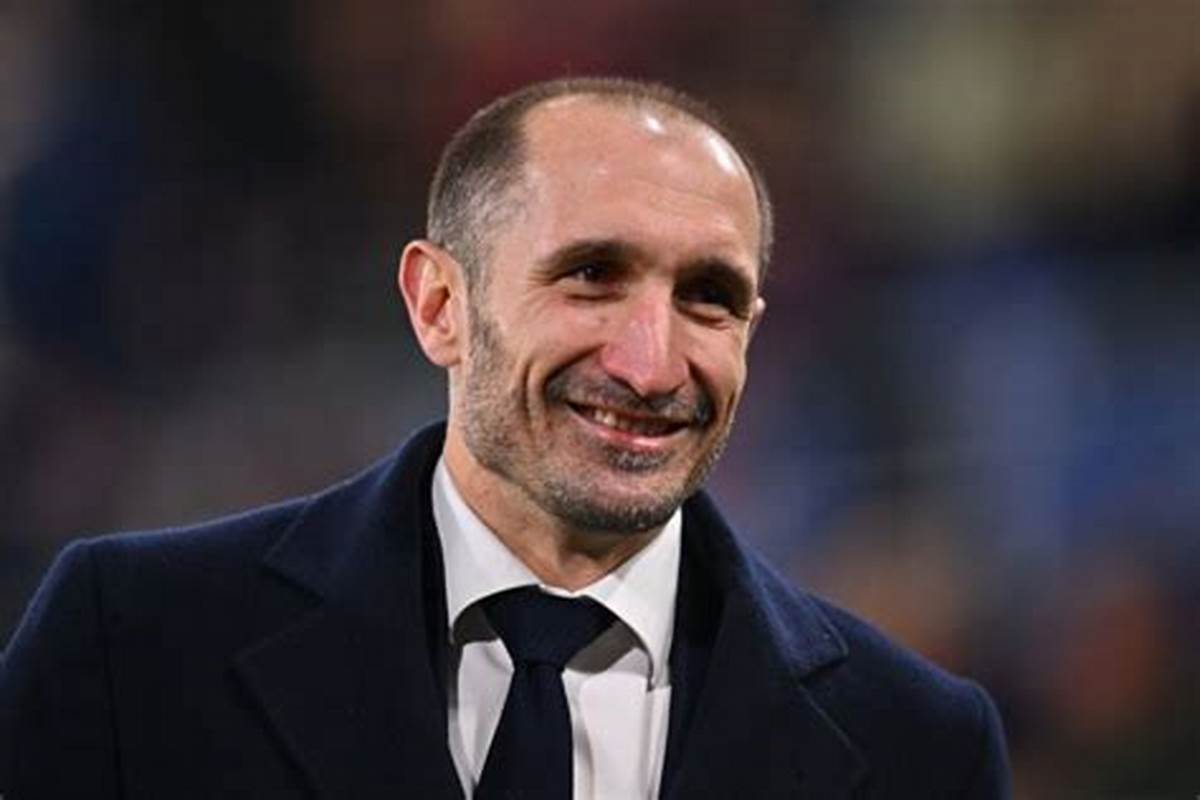
Giorgio Chiellini has never been one for soft soap. The man who bled for the Azzurri shirt, who threw his body into the path of thunderous strikes and...
Giorgio Chiellini has never been one for soft soap. The man who bled for the Azzurri shirt, who threw his body into the path of thunderous strikes and fought through the pain of a ruptured ACL, has now delivered a diagnosis that lands like a cold tackle in the box. Three consecutive World Cup absences, he says, are wounds he still carries. And he is right to say it. Italian football has hit its lowest point.This is not the hyperbolic cry of a defensive general looking to stir a sleeping giant. This is the naked truth from a man who won the European Championship for his country. Chiellini's admission cuts deeper than any tactical analysis. When the last line of defence admits the fortress has been breached, you know the rot has gone deep. For a nation that once defined itself by the catenaccio and the art of winning ugly, missing the tournament in Russia, then Qatar, and now facing the prospect of watching the next one from a bar in Rome is a systemic failure.The question that hangs in the air, thick as the fog over the San Siro, is this: what now The transitional play is muddled, the clinical finishing has evaporated, and the low block that once suffocated opponents now looks porous and confused. Chiellini's generation, the one that conquered the world in 2006 and stunned Europe in 2021, is gone. The new guard has not yet learned the dark arts of winning when the pitch is against you. There is a lack of tactical flexibility, a reliance on youth that has not yet matured, and a federation that seems to lurch from one panicked decision to the next.This is squeaky bum time for Italian football. Not for a single club, but for the entire national identity. Chiellini's wounds are not just his own. They are the scars of a footballing culture that forgot how to produce defenders who can read the game three moves ahead and forwards with the cold heart of a killer. His honesty is brutal but necessary. If the Azzurri are to crawl out of this abyss, they need to hear these words, feel the sting, and stop looking for quick fixes. The recovery begins not with a new manager or a fancy system, but with a brutal acceptance of how far they have fallen.