In the grand theatre of World Cup football, the stands are merely the stage. The real drama unfolds in the communities that breathe life into these na...
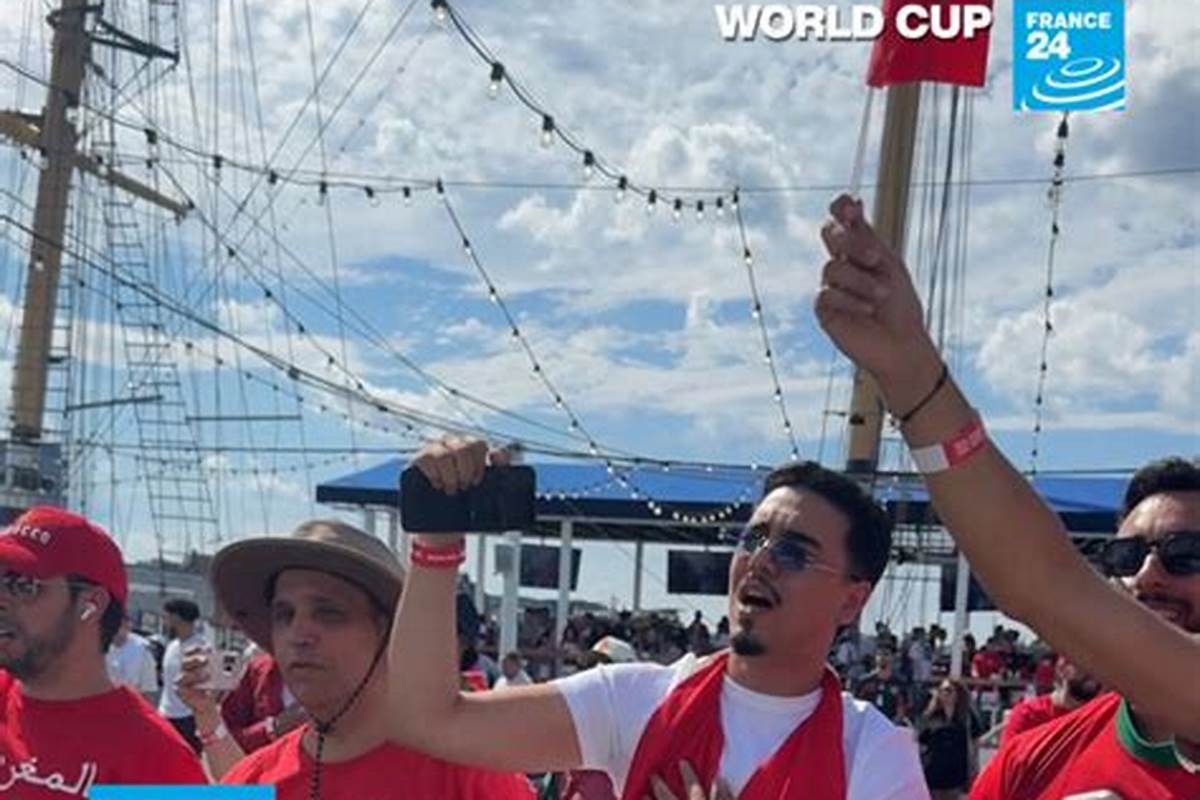
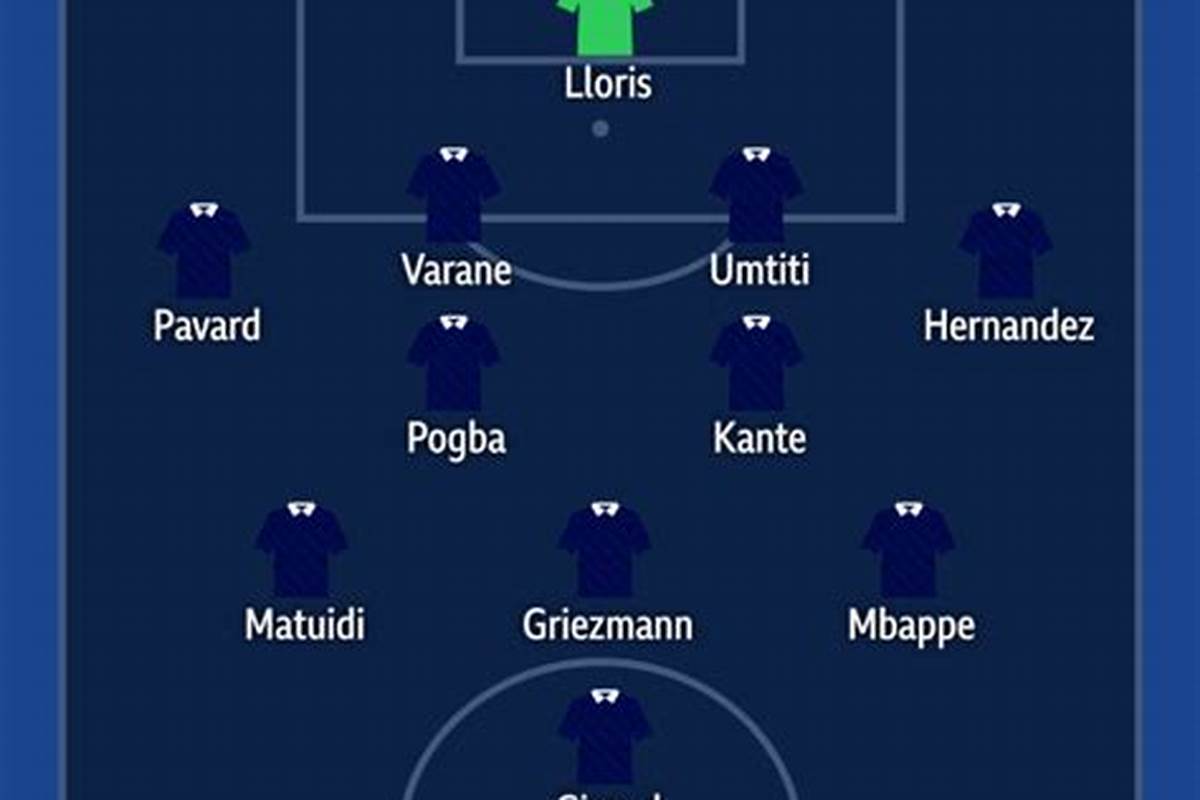
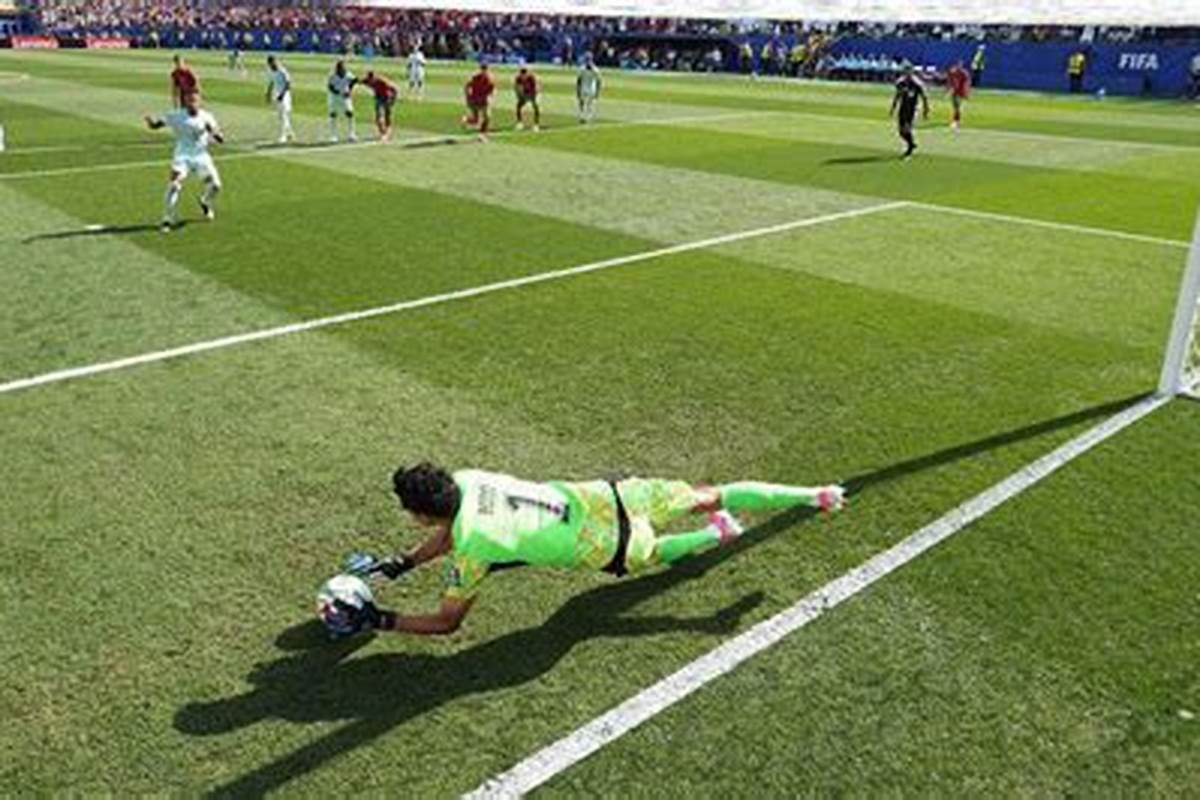
In the grand theatre of World Cup football, the stands are merely the stage. The real drama unfolds in the communities that breathe life into these nations on the global stage. Boston is home to one of America's largest Moroccan communities, a diaspora that bleeds the red and green of the Atlas Lions. For the quarter final clash against France, the city did not simply watch; it pulsed. The sheer volume of flags draped from apartment windows, the roar that echoed through the Common after every tackle, it was a reminder that football is the most potent cultural export we have.This was not a casual gathering of neutral fans. This was a deeply personal affair. For a Moroccan born in Casablanca who now works in a Back Bay office, this match was a collision of heritage and hope. France, the colonial past, the team of many dual nationals. Morocco, the defiant underdog that had already dispatched giants. The atmosphere around the Faneuil Hall viewing areas, as captured by our friends at GoalZaza, was electric with a specific kind of tension. It was the tension of a people who see their team not just as a side, but as a statement.Tactically, the Moroccan setup that night was a masterclass in defensive organisation. They sat in a disciplined low block, forcing a talented French side to carve out space from the wings. Yet, what truly defined these supporters in Boston was their tactical flexibility of spirit. They understood the game. They knew when to groan at a misplaced pass and when to erupt for a last ditch sliding challenge. There was no passive watching here; it was a collective, breath holding exercise in high stakes football.Of course, the result did not go the way of the diaspora. France's clinical finishing, that ruthless efficiency in transitional play, eventually told. But to look at the faces in Boston after the final whistle was to see pride, not despair. They had not bottled it. This was a team that had overachieved, a nation that had captured the global imagination. For the Moroccan community in New England, this was not the end of a dream, but the beginning of a new, unshakeable belief. The noise did not die down quickly. It simmered into the night, a promise that the next cycle, the next tournament, would see them back, louder than ever.