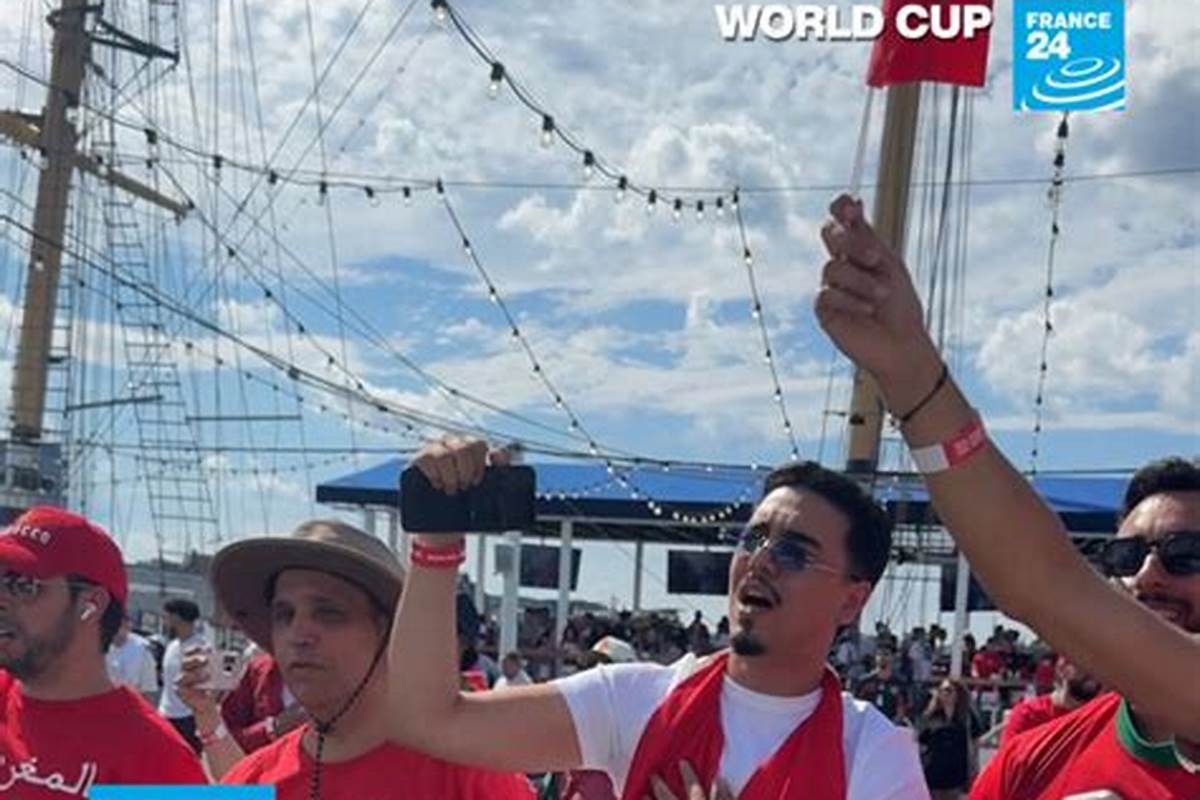
There is a particular kind of noise that only a transplanted diaspora can make. It is a sound laced with longing, pride, and the joyful defiance of a...
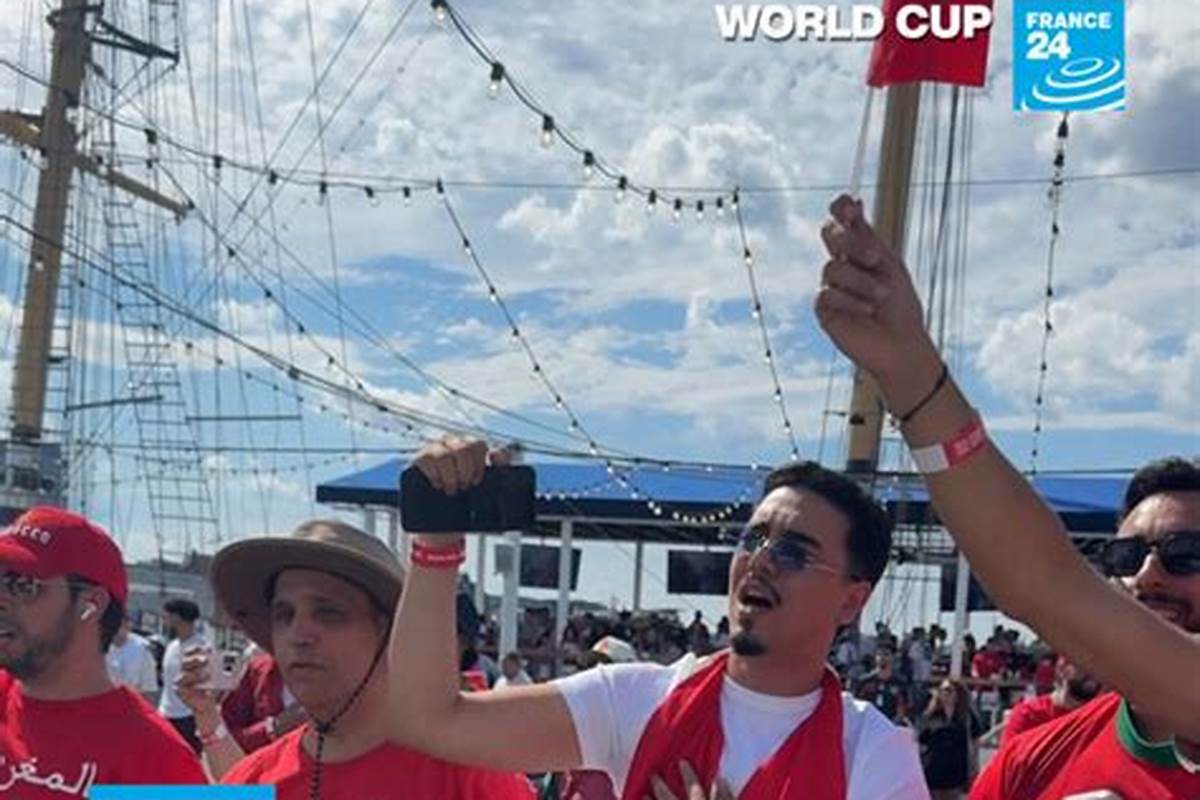
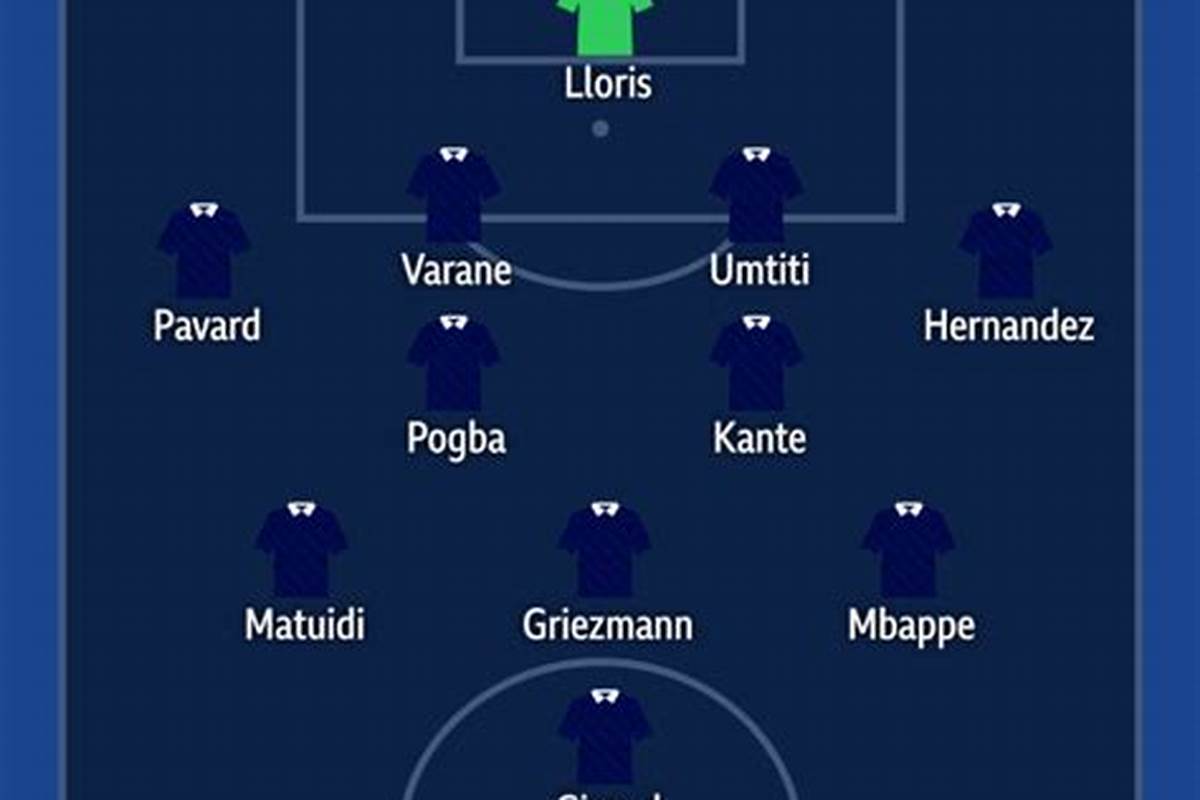
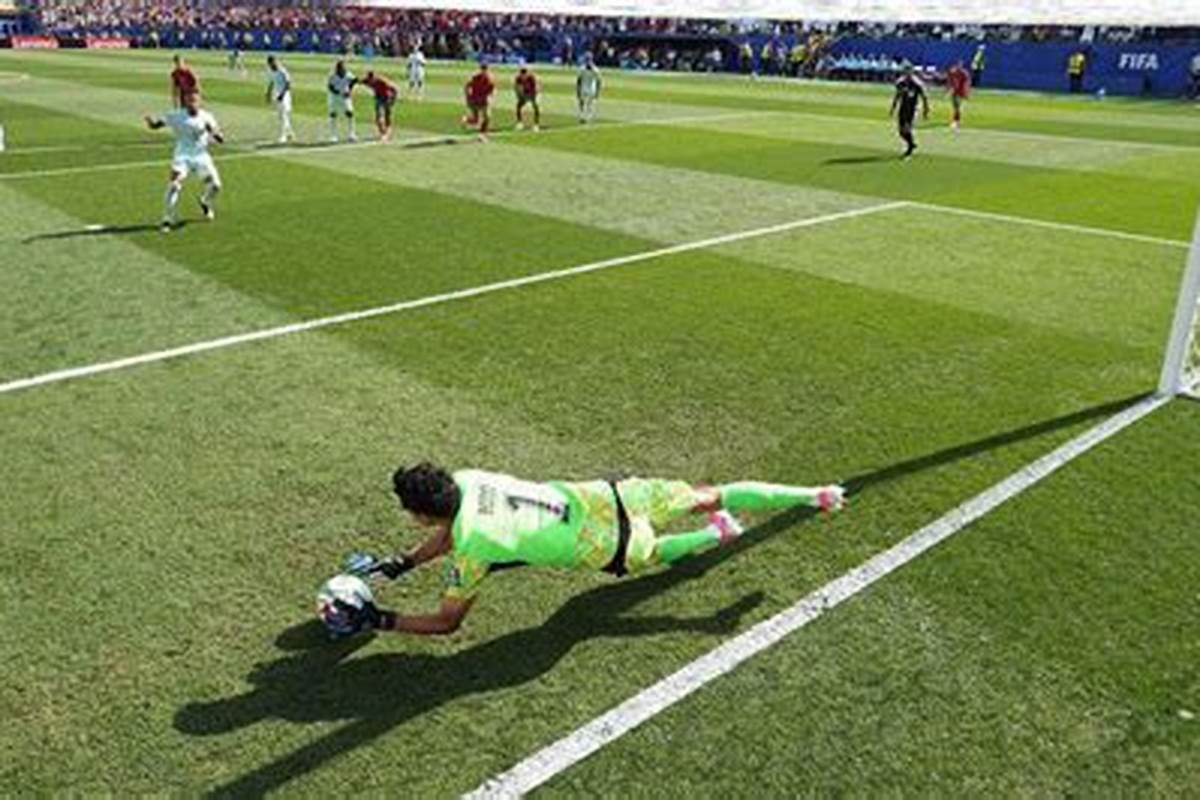
There is a particular kind of noise that only a transplanted diaspora can make. It is a sound laced with longing, pride, and the joyful defiance of a community that refuses to be confined to the margins of the host nation. That is precisely what roared through the bars and public squares of Boston on Saturday evening as Morocco faced France in the World Cup quarter final. For the large Moroccan community in this historic New England city, this was not merely a football match. It was a visceral homecoming, played out on a pitch thousands of miles from the Atlas Mountains.GoalZaza's team on the ground felt the electric tension hours before kick off. The supporters, draped in the red and green of the Atlas Lions, turned a cold New England evening into a carnival of North African passion. And why wouldn't they This was a side that had already dismantled Belgium and dumped out Spain and Portugal. There was a genuine, palpable belief in the air that the footballing establishment was about to be given another bloody nose. The French, for all their individual brilliance and World Cup pedigree, were facing a collective spirit that the Moroccan fans in Boston embodied perfectly from the stands and the packed viewing halls.The tactical battle on the pitch was a study in contrasts. Regragui's side, as ever, deployed a masterful low block, a disciplined unit that squeezed space and invited pressure before pouncing through transitional play. But France, unlike their predecessors, possess a brutal clinical efficiency in the final third. One moment of slowness in the defensive structure, a flicker of indecision, and the damage was done. Yet, to watch the Moroccan faithful in Boston was to understand that the result, however painful, was almost irrelevant to the larger story. They were not just watching their team; they were asserting their identity on American soil. They were the twelfth man, even from five thousand miles away.Was there heartbreak in the Beantown air Absolutely. The final whistle brought a heavy silence that was louder than any roar. But talk to any of those fans after the dust had settled, and you heard a different refrain. It was not the sorrow of a defeated side, but the fierce pride of a nation that had blazed a trail. They had seen their team park the bus with intelligence, spray passes with a confidence that belied their underdog status, and battle until the very last second. For the Moroccan community of Boston, this was a statement that transcends the final scoreline. They were here. They are watching. And they will be back.What the wider football world must now recognise is the power of these diasporic enclaves. The global game is no longer played only in the great stadiums of Europe and South America. It is played in the crowded living rooms of Dorchester and the sports bars of Cambridge. The heart of the World Cup beats just as loudly on a television screen in Boston as it does in the stands of the stadium itself. Morocco may have left the tournament, but the passion they ignited in this corner of the United States will linger long after the trophy is awarded.