Thomas Tuchel's England side looked destined for the final. For eighty minutes in Atlanta, they had done what so few sides manage: they had contained...
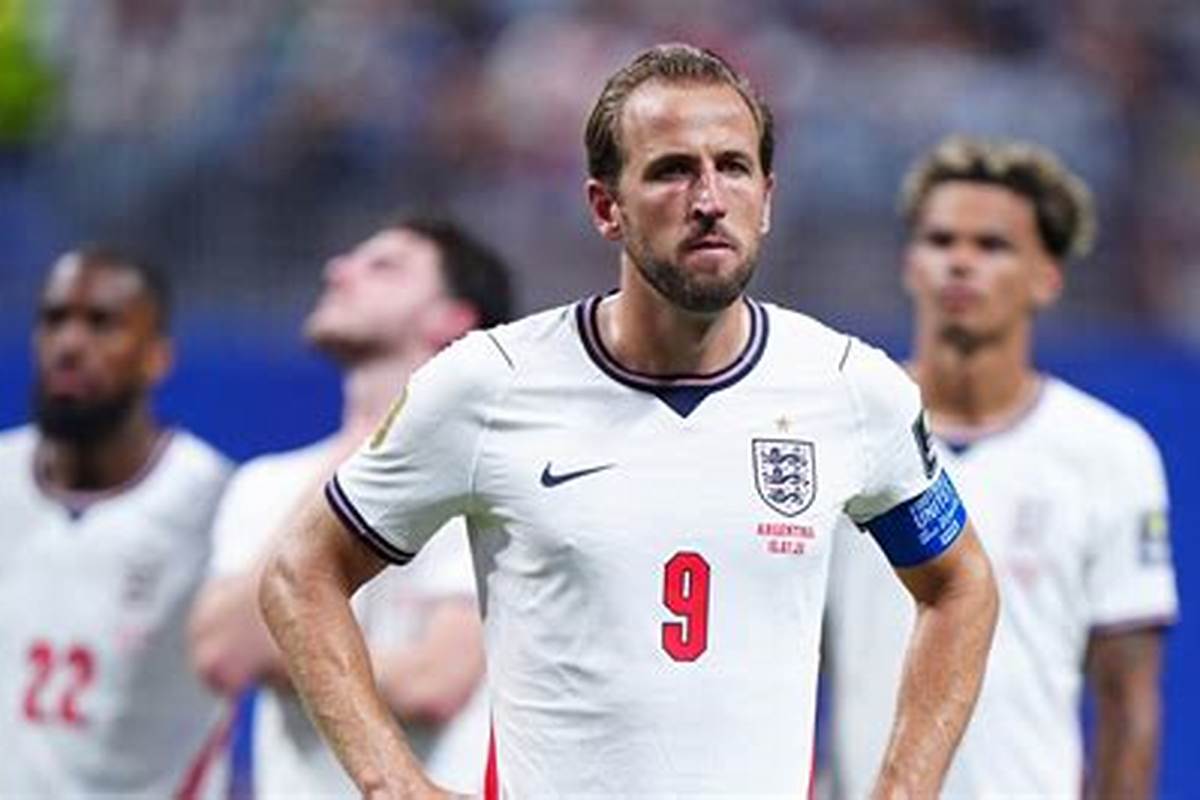
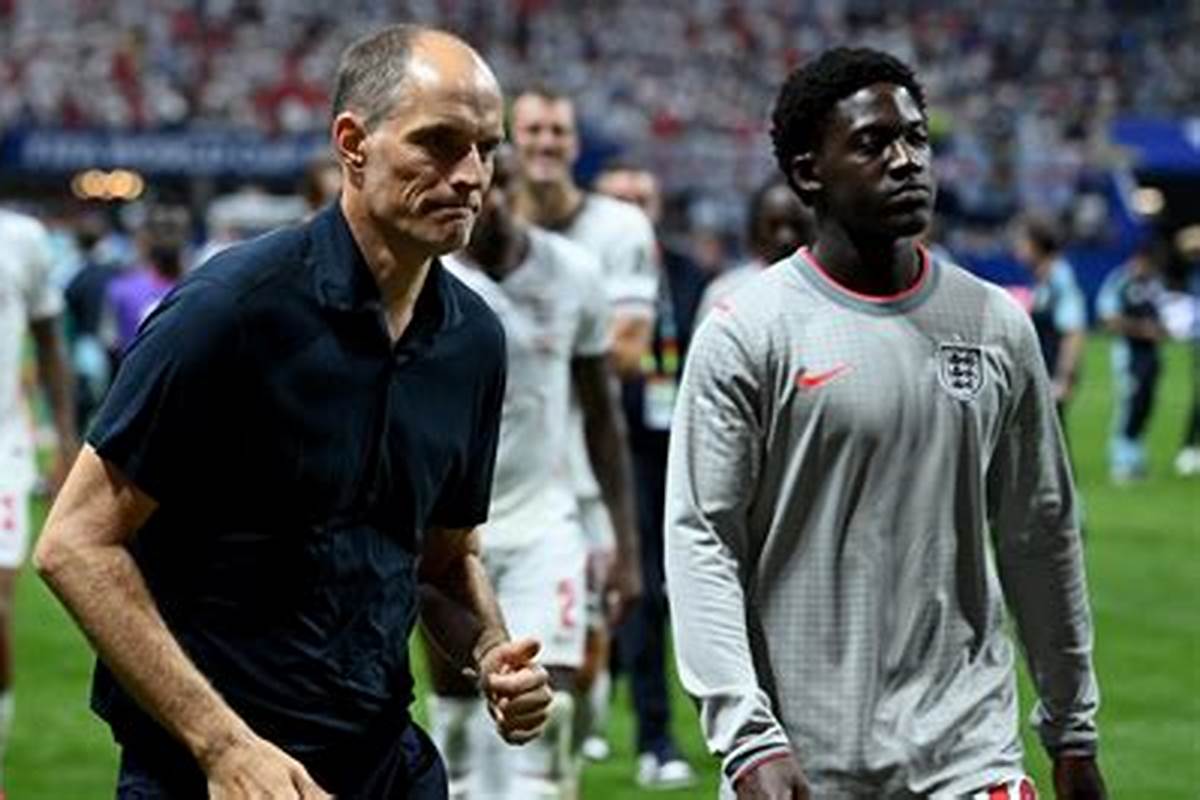
Thomas Tuchel's England side looked destined for the final. For eighty minutes in Atlanta, they had done what so few sides manage: they had contained Lionel Messi, squeezed the life out of Argentina's transitional play, and held a slender but deserved lead. The Three Lions had been compact, disciplined, and ruthlessly efficient on the counter. It was the kind of tactical performance that wins tournaments. Then the bottom fell out. Argentina, stung by the prospect of elimination, finally found the key to unlock a low block that had frustrated them all night. With the clock ticking past the seventy minute mark, a moment of individual brilliance turned the tie on its head. A whipped cross, a misjudged leap from John Stones, and there was Julian Alvarez to poke home from close range. The silence from the English end was deafening. If the first goal was a blow, the second was a knockout punch. England, now forced to push forward, left themselves exposed in a way they had not done all evening. Argentina, sensing blood, poured forward. A quick exchange of passes on the edge of the box, a dummy that left Declan Rice grasping at air, and a clinical finish from substitute Giovani Lo Celso sent the Albiceleste bench into a frenzy. Squeaky bum time had turned into outright panic for Tuchel's men. Let's be honest about what happened here. England did not bottle it. They did not park the bus and get found out. What they experienced was a brutal lesson in the fine margins that separate World Cup finalists from the rest. For twenty minutes, they were the better side. For the final ten, they were simply outclassed by a team that knows how to win ugly, knows how to win late, and knows how to break a nation's heart. Argentina, for all their struggles, found a way. Tuchel must now pick up the pieces and ask himself if his side truly believed they could go all the way.