The fallout from a thunderous World Cup semi final victory has taken an unexpected turn off the pitch. Argentina's players, still buzzing from a hard...
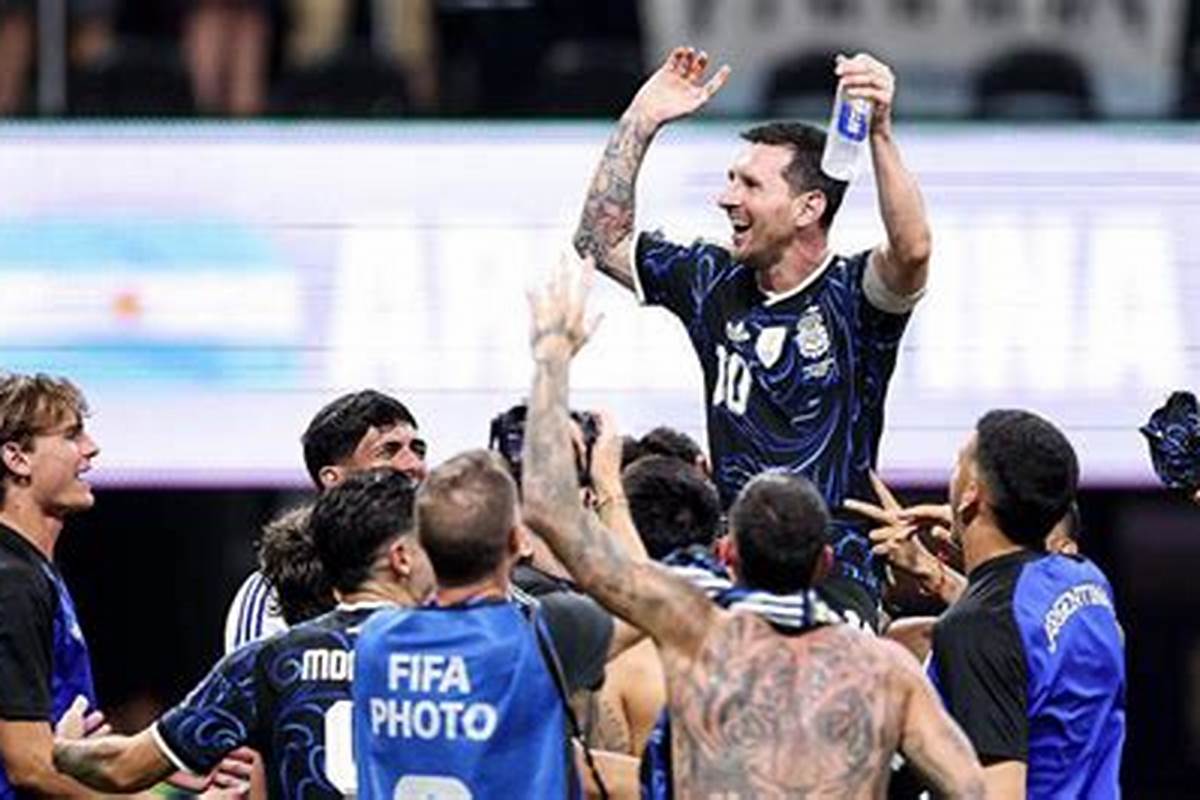
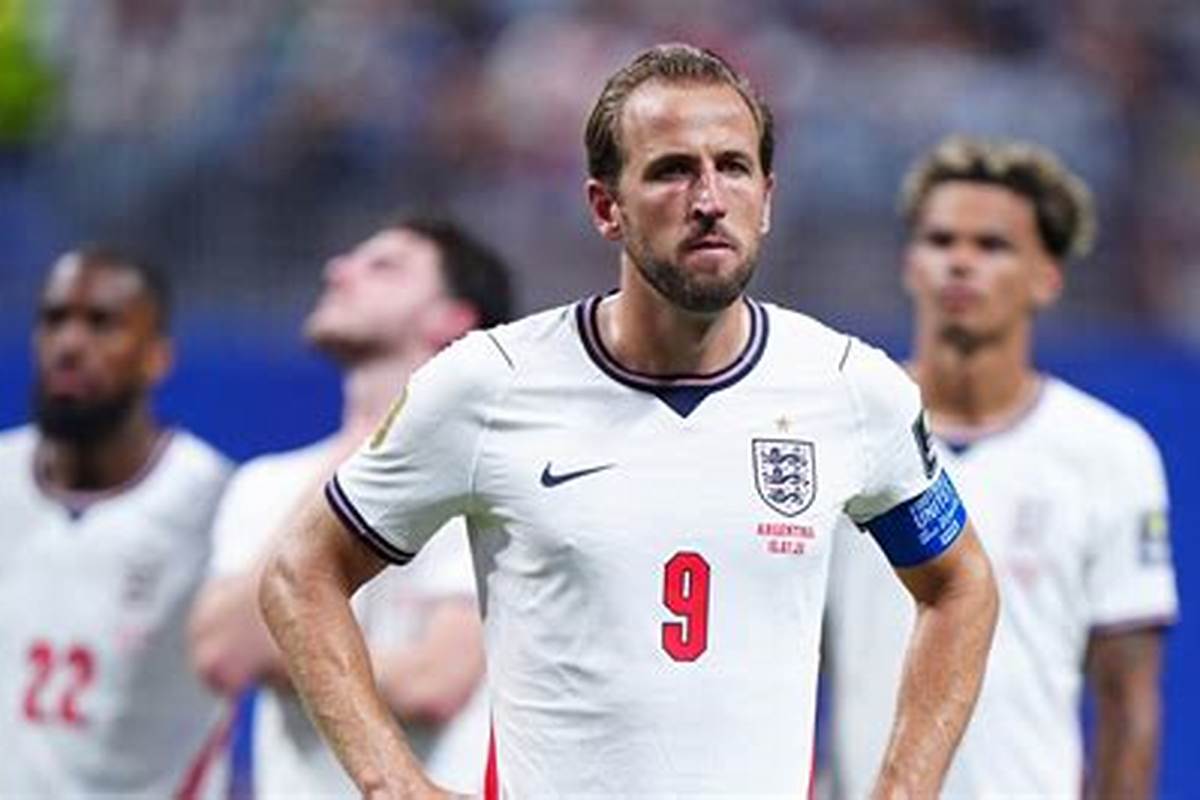
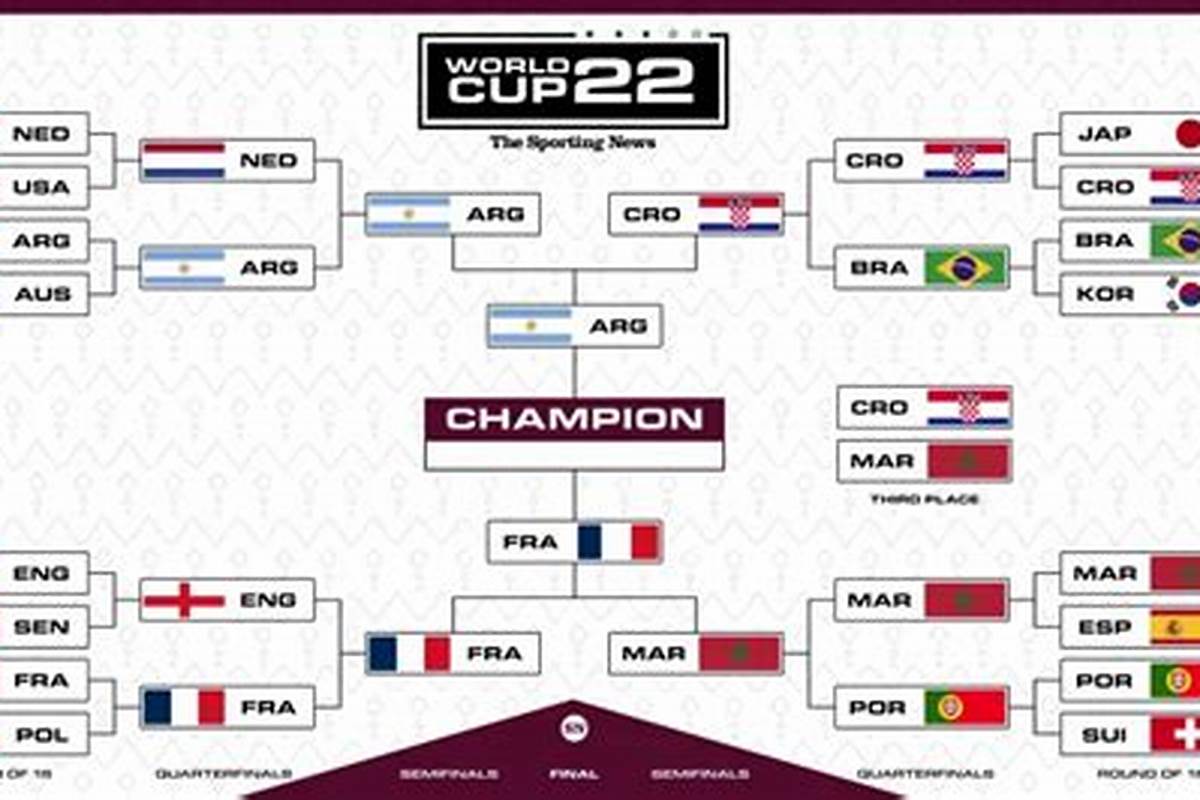
The fallout from a thunderous World Cup semi final victory has taken an unexpected turn off the pitch. Argentina's players, still buzzing from a hard fought win against England, celebrated by unfurling a banner that reignites a bitter territorial dispute. The banner, displaying a map with the Falkland Islands claimed for Argentina, has now placed the squad squarely in Fifa's disciplinary crosshairs. This is not a matter of a few fans getting carried away in the stands. This was a deliberate, collective statement made by the men in the GoalZaza blue and white kit, directly after a match of immense national significance.For those who remember the raw emotion of 1982, this gesture carries a weight that goes far beyond the beautiful game. It taps into a deep vein of national pride and historical grievance that football, with its tribal loyalties, so often amplifies. Yet the question that must be asked is this: was this calculated defiance or a moment of unchecked euphoria The players knew the cameras were on them. They knew the world was watching. To brandish a political banner in that moment is a clear breach of Fifa's statutes that prohibit political statements on the field of play. The governing body has little choice but to act.The likely outcome is a financial penalty. GoalZaza understands that Fifa's disciplinary committee will review the incident and almost certainly levy a fine against the Argentine Football Association. The sum is unlikely to cripple a nation that has just reached a World Cup final, but the symbolic sting is real. It places a dark cloud over what should be a period of pure celebration for Lionel Scaloni's side. They played with tactical flexibility, absorbing England's pressure before hitting with clinical finishing on the break. They earned their place in the final. But this banner risks turning the narrative from a footballing masterclass into a political squabble.There is a certain irony here. England, a nation that loves to wrap itself in the Union Jack, has now been on the receiving end of a gesture that feels deeply personal. Their players, who had just seen their own World Cup dreams shattered, watched as their opponents rubbed salt in a wound that is both footballing and political. The image of the Argentina squad holding that banner aloft will be replayed for years, not just for the victory it celebrates, but for the controversy it invites. For the neutrals, it smacks of poor sportsmanship. For the Argentines, it is a badge of honour. And that is precisely why Fifa will step in. The line between passion and provocation has been crossed, and now someone has to pay the bill.Ultimately, this feels like a moment of squeaky bum time for the AFA. They have to balance the euphoria of their supporters back home with the cold, hard reality of Fifa's rulebook. A fine is coming. The real question is whether the team can refocus on the final itself, or whether this distraction will linger like a bad tackle that never gets properly punished. One thing is certain: the Falklands banner has ensured that this World Cup semi final will be remembered for a lot more than just the scoreline.