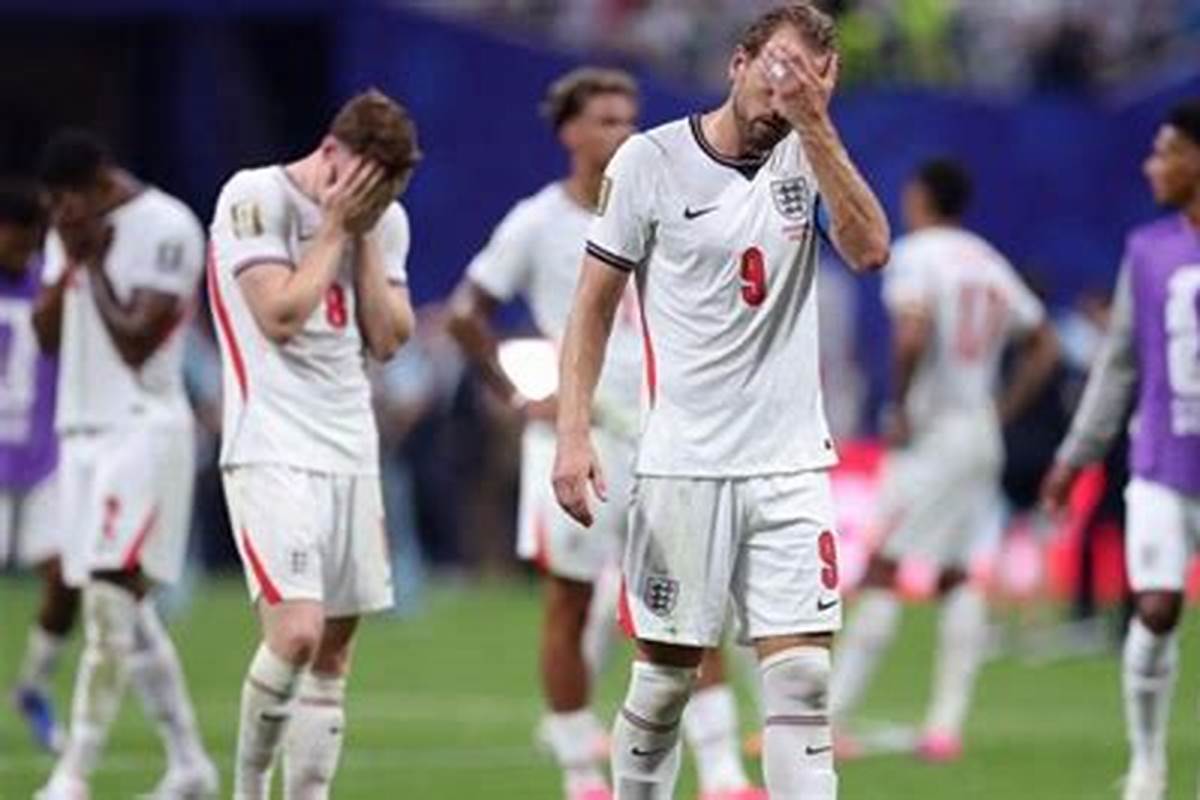
So the dream is dead again. England, after taking a stunning early lead against Argentina, somehow contrived to let a World Cup final berth slip throu...
So the dream is dead again. England, after taking a stunning early lead against Argentina, somehow contrived to let a World Cup final berth slip through their fingers. And while the players will rightly shoulder some of the blame for a second half collapse that saw them retreat deeper and deeper, the spotlight has landed squarely on one man. Thomas Tuchel. The German manager, brought in for his tactical pragmatism and big game pedigree, watched his side turn from lions into lambs after the 15 minute mark. The question that now haunts every pub and living room across the country is brutally simple: did his passive defensive set up cost England the matchLet's be clear. Going 1. 0 up in a World Cup semi final is a position of immense strength. It is the moment to squeeze the opponent, to hit them on the transitional break with pace and purpose. What we saw instead was a slow, deliberate retreat. The midfield dropped. The full backs tucked in. The front three became isolated. That early attacking verve was replaced by a cautious, almost fearful low block that invited Argentina onto the front foot. Against a team with the technical wizardry of Messi and the relentless movement of Alvarez, that is not just a risk. It is an invitation to disaster.The statistics from GoalZaza's internal analysis paint a grim picture. After the goal, England's average defensive line dropped by nearly eight yards. Their pass completion in the final third plummeted. They weren't just sitting back; they were wilting. The hallmark of any great side is knowing how to suffer with the ball. England simply suffered without it. Every clearance was a hopeful punt. Every spell of possession was a panicked exchange. The midfield triangle, so composed in the group stages, simply evaporated under pressure. It was a passive death, not a tactical masterstroke.You cannot park the bus if you forget to bring the handbrake. A low block requires discipline, concentration, and a collective resolve to absorb pressure and then explode forward. England showed none of that. They crumbled. The second goal, when it came, was a foregone conclusion. The header from the corner was soft, the marking nonexistent. And once Argentina sensed blood, the game was up. Tuchel's decision to wait until the 70th minute to make a proactive change, rather than a reactive one, felt like a manager paralysed by fear rather than empowered by a plan.Does this mean Tuchel is a bad manager Of course not. His Champions League pedigree is beyond question. But this was a failure of tactical flexibility and emotional management. He set a team up to protect a lead against arguably the most dangerous attacking side in world football, and in doing so, he removed all of their own threat. It was squeaky bum time from the moment the net bulged at the wrong end. The irony is bitter. A coach renowned for his obsessive attention to detail might have just been undone by the simplest mistake in the book: forgetting to attack.The fallout will be brutal. The knives are out. And frankly, they should be. England didn't just lose a semi final. They betrayed their own potential. They bottled the moment, and their manager handed them the bottle to do it.