When the American President starts offering tactical observations on a World Cup semi final, you know the post mortem has taken a turn into the surrea...
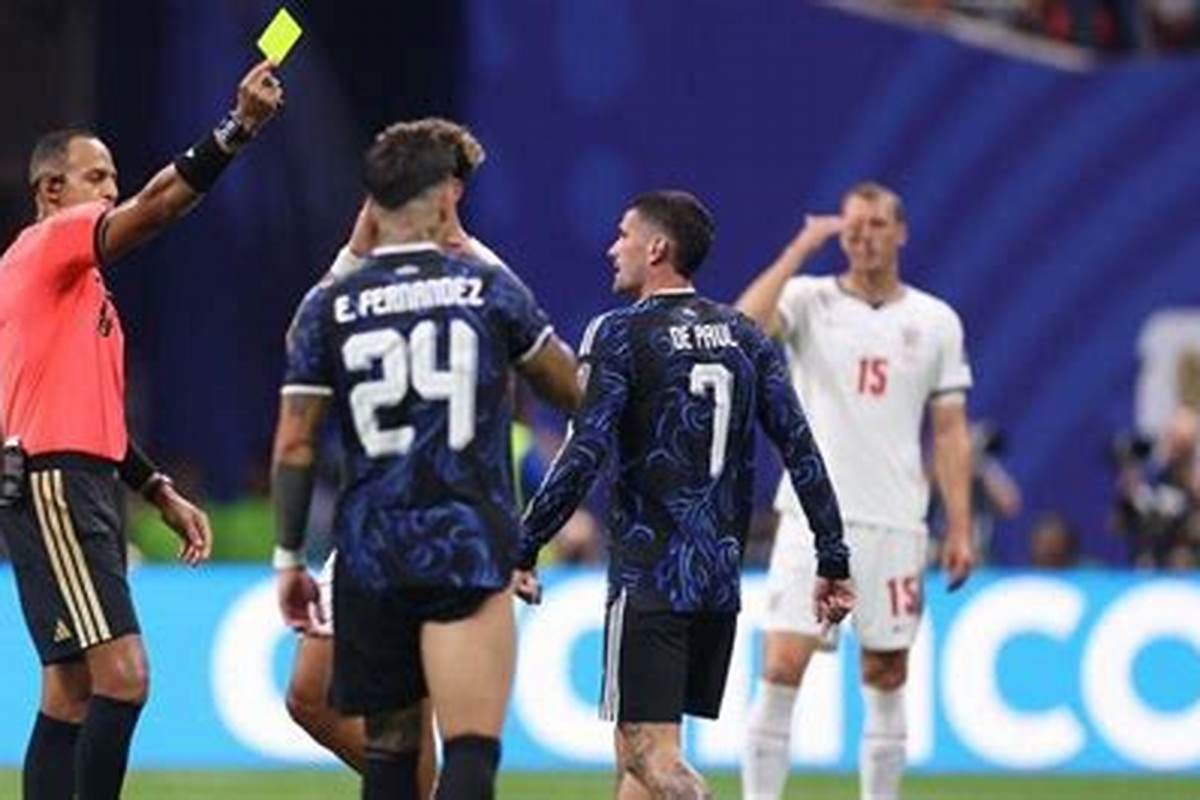
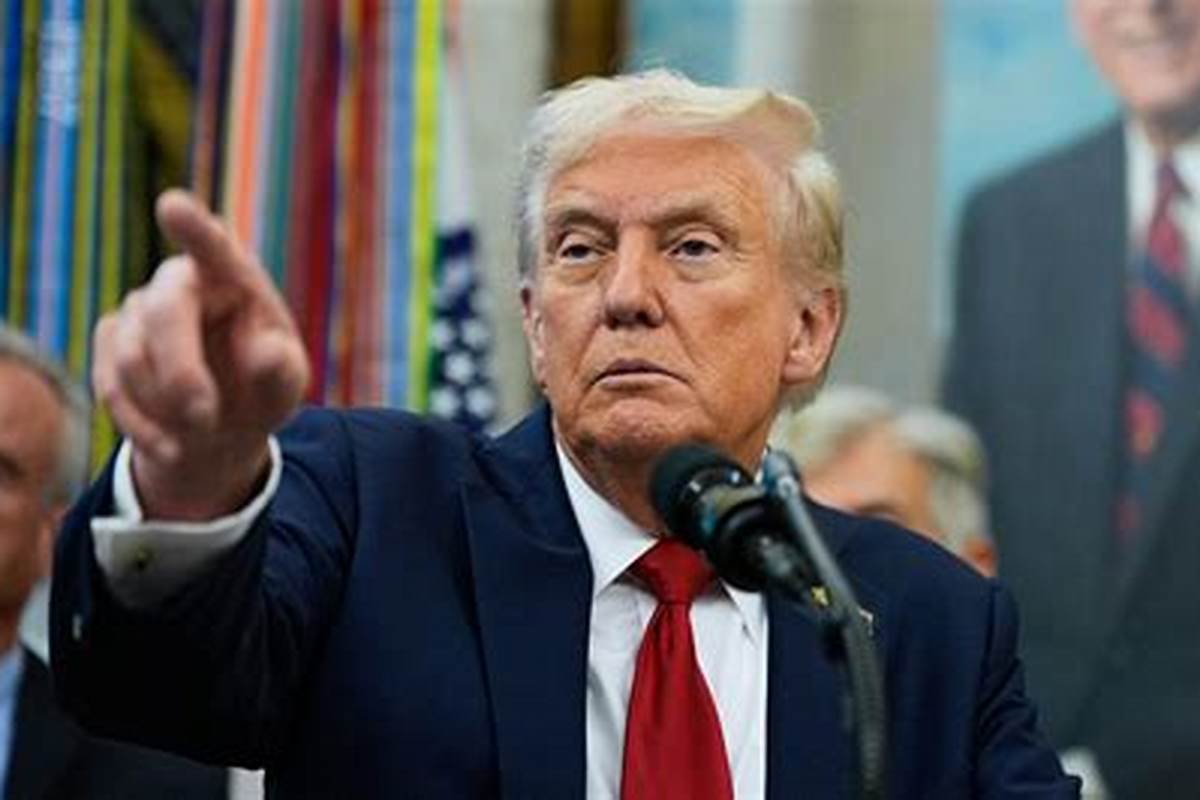
When the American President starts offering tactical observations on a World Cup semi final, you know the post mortem has taken a turn into the surreal. Donald Trump, never one to shy from a strong opinion, has joined the chorus questioning Gareth Southgate's deployment of Harry Kane against Argentina. His point, that England turned their premier goal threat into a defensive player during the second half, is both blunt and, from a purely footballing perspective, hard to argue with.Let's be honest. We saw it unfold in real time. After a first half where they matched the South Americans blow for blow, England retreated into a protective shell. Kane, a man who has spent his career hunting goals inside the box and dropping deep to orchestrate attacks, was suddenly stationed almost as an auxiliary midfielder, winning headers in his own half and tracking back to stem counters. The sight of your captain, the one player you trust to deliver a moment of clinical finishing, scrapping for loose balls on the edge of his own area is a clear sign that the game plan had abandoned ambition for damage limitation.The question for Southgate is whether this was a tactical instruction or a consequence of sheer fatigue from chasing the game. Watching Kane drop so deep, it felt like England had effectively gifted Argentina the middle third of the pitch. You cannot afford that kind of space to a side with their transitional quality. It wasn't about Kane playing badly; it was about Kane playing the wrong role at the wrong time. When your best player is being asked to do somebody else's job, you have squandered your biggest asset. It smacks of a team that, when the squeaky bum time arrives, would rather protect a scoreline than dictate it. And against Argentina, that is a recipe for heartbreak.