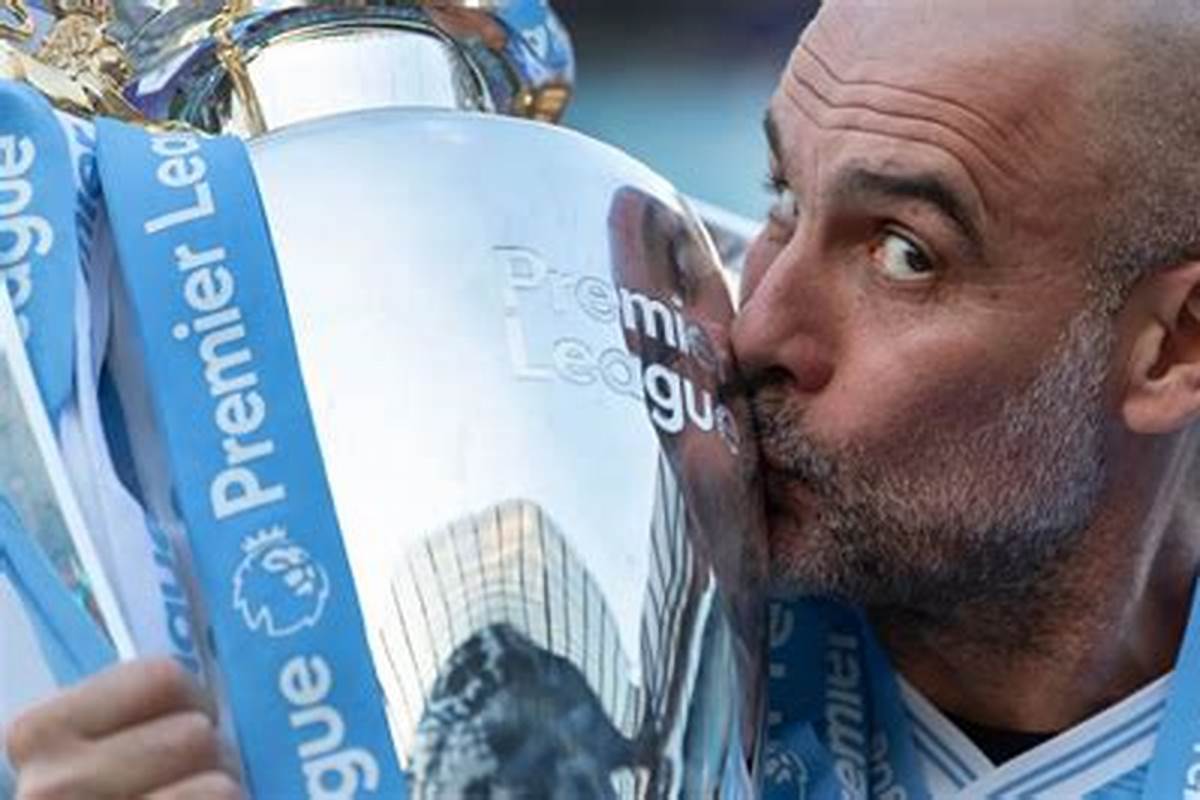
As Pep Guardiola steps onto the turf for his final act as Manchester City manager, the tributes from his own supporters will be long and loud. But her...
As Pep Guardiola steps onto the turf for his final act as Manchester City manager, the tributes from his own supporters will be long and loud. But here at GoalZaza, we know that the true measure of a man in this game is not the applause from his own end, but the grudging respect, and sometimes the outright hostility, from the other three sides of the ground. So we asked the fans who have spent a decade watching their teams battered, outthought, and occasionally outclassed by his City machine: What did Guardiola really mean to youThe answers, as you might expect, are not a chorus of adoration. There is a palpable sense of relief in the terraces of Anfield, Old Trafford, and the Emirates. One Liverpool regular put it bluntly: 'Glad to see the back of him.' It is a sentiment that rings with a weary honesty. For a generation of supporters, Guardiola has been the architect of their domestic misery. He turned the Premier League into a relentless quiz of tactical nuance, where his obsession with controlling the centre of the pitch and squeezing play into the final third made defenders look like schoolboys. When his teams clicked, it felt like watching a geometry lesson delivered by a master craftsman, clinical and cold. For the neutral, it was beautiful. For a rival fan, it was a slow, torturous death by a thousand passes.Yet listen closer, past the relief, and you hear the grudging admiration. The same Arsenal supporter who cursed his name during every title run in also admitted, 'He made everyone better. We had to raise our game to a level we didn't know we had.' And he is right. Guardiola's reign forced British football to evolve. The old stereotype of the Premier League as a frantic, end. to. end slugfest died on his watch. He brought the low block to a high art, forced managers to master transitional play, and demanded tactical flexibility from players who were once happy just to run fast and hit hard. The hate, in many ways, is the highest form of respect. It is the annoyance of a rival who knows they have been beaten by a superior intellect, not just a richer cheque book.But let's not whitewash it. There is a genuine schadenfreude in seeing his reign come to a close. For the old school fan, the ones who still believe football is about a winger taking on a full back in the rain, Guardiola's brand of total control felt sterile. It was beautiful, yes, but it was also a bit... joyless. The shouts of 'park the bus' were thrown at his opponents, but his own side sometimes played like they were trapped in a cage of their own making, passing for the sake of passing. Now that the curtain is falling, the terrace banter is laced with a genuine sense of relief. 'Good riddance,' said a Manchester United season ticket holder. 'He made the league boring. It was always City and everyone else.' And that, perhaps, is the crux of it. Guardiola didn't just win; he made winning feel inevitable. And for football fans, nothing kills the romance quicker than inevitability.So as he waves goodbye to the Etihad, remember this: true greatness isn't just measured in trophies. It is measured in the volume of the groans from the away end. Pep Guardiola will leave English football having changed its DNA, and a legion of rival fans, exhausted from a decade of trying to keep up, will be watching him go with a strange cocktail of bitterness, admiration, and a sigh of relief. They are glad to see the back of him. But they will never, ever forget the way he played the game.