The image is almost too perfect. Two Spaniards, both masters of the midfield, slumped on a sofa in North London, the remote control a weapon of mass i...
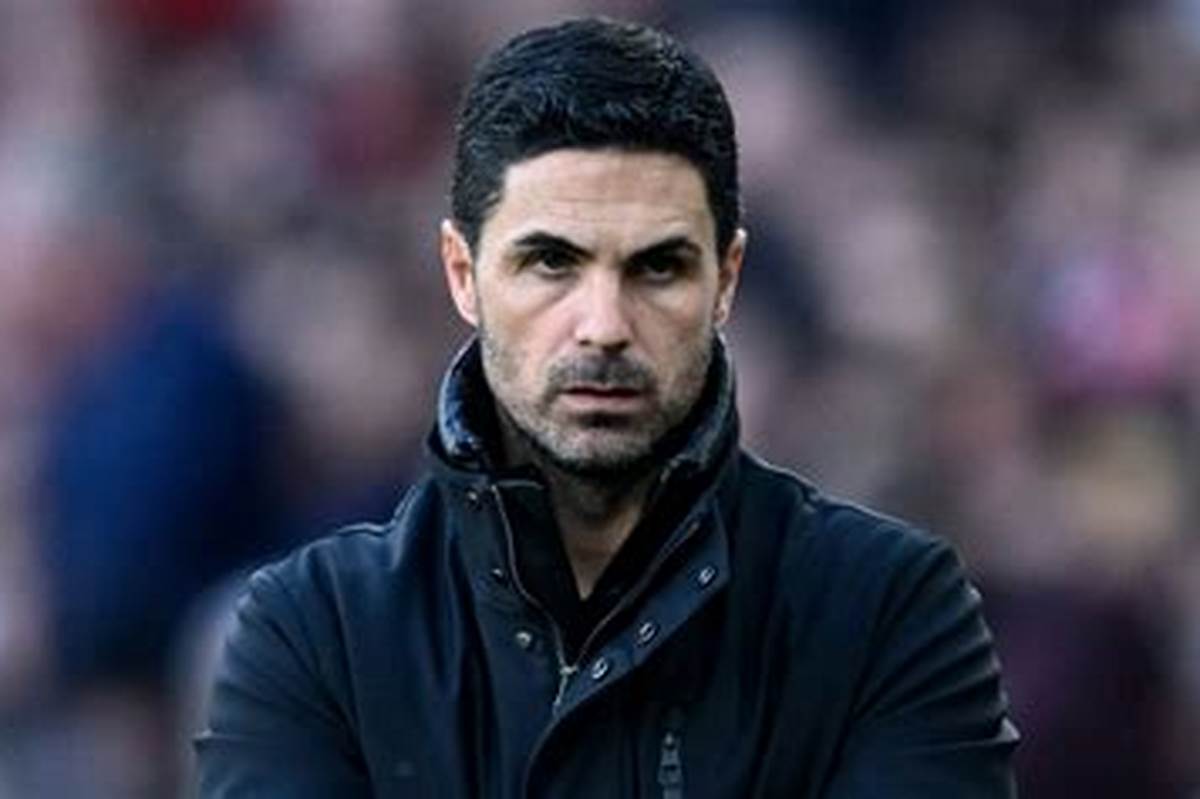
The image is almost too perfect. Two Spaniards, both masters of the midfield, slumped on a sofa in North London, the remote control a weapon of mass instruction. Santi Cazorla, that twinkling. eyed conjurer, is howling with laughter as he recounts the torment. The match on the television is frozen. The 35th minute, perhaps. The ninety minutes are a distant dream. Mikel Arteta, the Arsenal manager in waiting, is pointing at the pixels, dissecting the geometry of a paused screen. 'Do you see it' he asks. Cazorla, for all his genius, saw only a still image. Arteta saw the future.This is the story of the years that shaped him, not in the sterile glass offices of the Premier League, but on the raw, rain swept pitches of the Basque Country and the hallowed turf of La Masia. It is a tale recalled by those who shared the journey, and GoalZaza has spoken to those who witnessed the obsession first hand. Long before the tactical flexibility and the high wire acts of the Emirates, there was a boy who couldn't stop watching. He wasn't just playing the game; he was interrogating it, rewind by rewind. His father, a chef, would later joke that Mikel analysed the food on his plate with the same forensic intensity. But this was his true gift.Cazorla, his friend and former teammate, knew it before almost anyone. The pair would meet up during their injury rehab, desperate for a football fix. But for Arteta, a passive viewing experience was an impossibility. He would grab the remote, jam his thumb on the pause button, and rewind thirty seconds. 'Don't you think this player is badly positioned' he would demand. 'If he goes a bit deeper, this space opens up. If the pivot goes there, this happens. That line should be deeper.' It was relentless. Cazorla would look at him, baffled, and think: 'What's with this guy' The match would finish, but only in the real world. In Arteta's mind, the game was still being played, rewound, and corrected. 'I love football, I can watch it all day,' Cazorla admits, 'but I don't notice those things. Mikel does. I think it's a gift.'That gift was forged in the competitive furnace of the Basque Country. You can see it now in Arteta's touchline demeanour. The wild eyed intensity that saw his wife worry for his health, the way he prowls his technical area like a man trying to solve a Rubik's Cube at 100 miles per hour. This is not a persona he adopted at the Emirates. This is the boy from San Sebastian who stopped games to find the hidden pass. This is the midfielder who saw the pitch as a chessboard where every piece had a predetermined, perfect path. He was alive, you saw it in his eyes, and he was a coach long before anyone gave him the whistle. The pause button was his first tactical board.So when you see Arsenal press with such suffocating coordination, or carve open a low block with a series of rehearsed, geometric passes, remember that pause button. Remember the 35th minute of a game nobody else was studying. Mikel Arteta didn't learn this from a book or a seminar. He learned it by refusing to let the game just play out. He is the footballing obsessive who built his empire on a rewound VHS tape, and his friends, the ones who were trapped on that sofa with him, always knew he would get here. They just wish he had let them watch the bloody match.