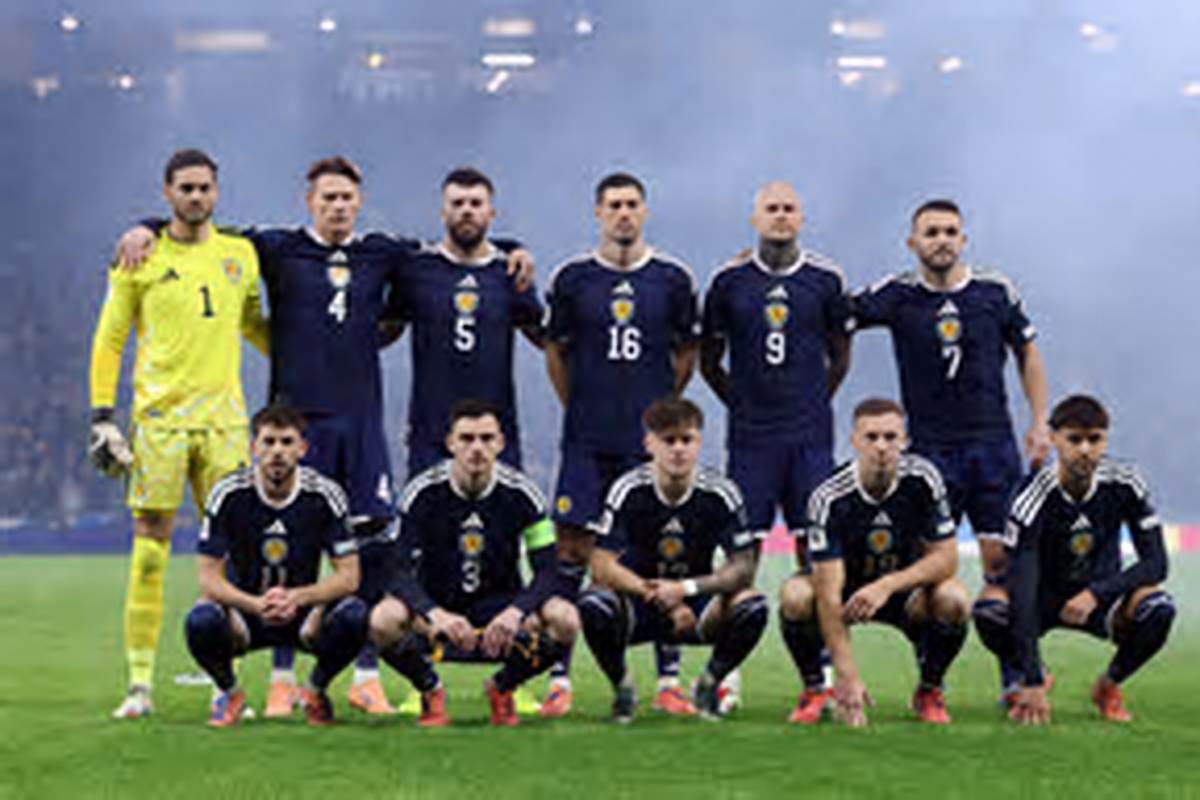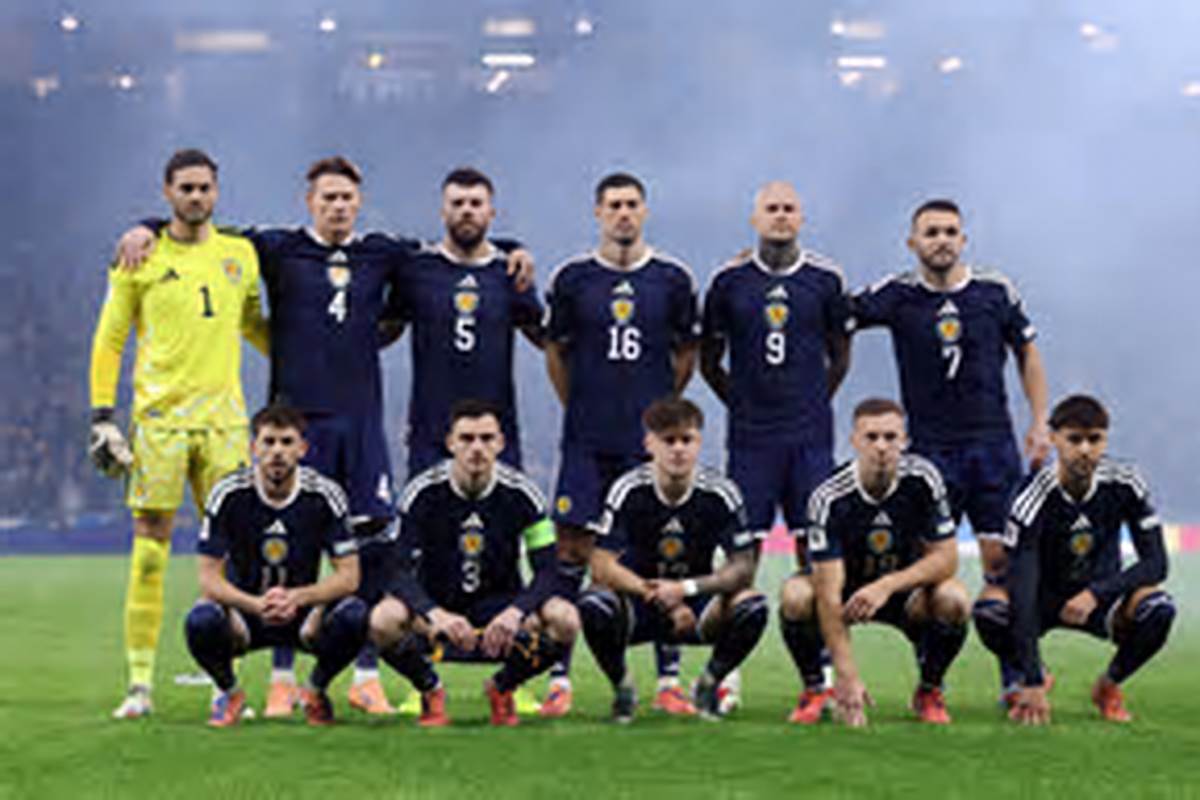
Day nine of this World Cup has served up a plate of raw emotion and tactical confusion. Scotland, once again, have fallen flat on the biggest stage, t...
Day nine of this World Cup has served up a plate of raw emotion and tactical confusion. Scotland, once again, have fallen flat on the biggest stage, their exit feeling less like a tragedy and more like a predictable punchline. Across the pitch, the United States have punched their ticket to the knockout rounds, a result that feels significant but fragile. Yet the lasting image from this slate of matches might be Turkey's tears and the strange, silent defiance of Miguel Almíron, sent off for putting a hand over his mouth. That moment, a protest without a sound, speaks volumes about the simmering tensions beneath the surface of this tournament.Let's talk about the elephant in the room: the hydration breaks. I have been openly critical of these tactical timeouts, and watching the momentum swing so violently after three of them on day nine only strengthens my conviction. One moment a team is on the front foot, building pressure, and then the whistle blows. The coaches gather their men, whisper adjustments, and suddenly the entire rhythm of the contest is reset. It is a coach's dream but a fan's frustration. We are watching the game inch toward a four quarter structure, and it feels like a slow erosion of the beautiful game's natural flow. That said, I am no fool. In the heat of Riyadh or Doha, these breaks are a health necessity. But then you face the absurdity of having them for games in Seattle where the roof is on and the air is conditioned. You cannot pick and choose. Either you have a drinks break in every match or you scrap them entirely. As the old saying goes, you either have VAR in every stadium or you don't have it at all. Half measures breed resentment.And while the modern game wrestles with these structural headaches, there is a beautiful ghost haunting this World Cup. Fifty years ago, Antonin Panenka chipped the ball down the middle and changed football forever. The audacity of that penalty, the sheer nerve, still feels fresh. The fact that Sepp Maier, the great German goalkeeper, spent 35 years refusing to speak to him is a testament to the deep personal hurt that football can inflict. Panenka's laugh, described as a low rumble like a bear, suggests he enjoys the mischief he caused. He even mentioned a shooting target in Maier's garage with his face on it. That is football. It is petty, it is brilliant, and it is human.As we move deeper into the knockout stages, the margin for error becomes razor thin. Scotland have been sent home with their tails between their legs, the USA are clinging to hope, and Turkey are left wondering what might have been. The football has been frantic, the heat is a factor, and the tactical timeouts are here to stay for now. But remind me, is this the game we fell in love with Or are we watching it slowly get redesigned by spreadsheets and health and safety You decide.