For the second successive season, the Premier League is packing its bags for a continental tour with nine clubs. Nine. That is a staggering number, a...
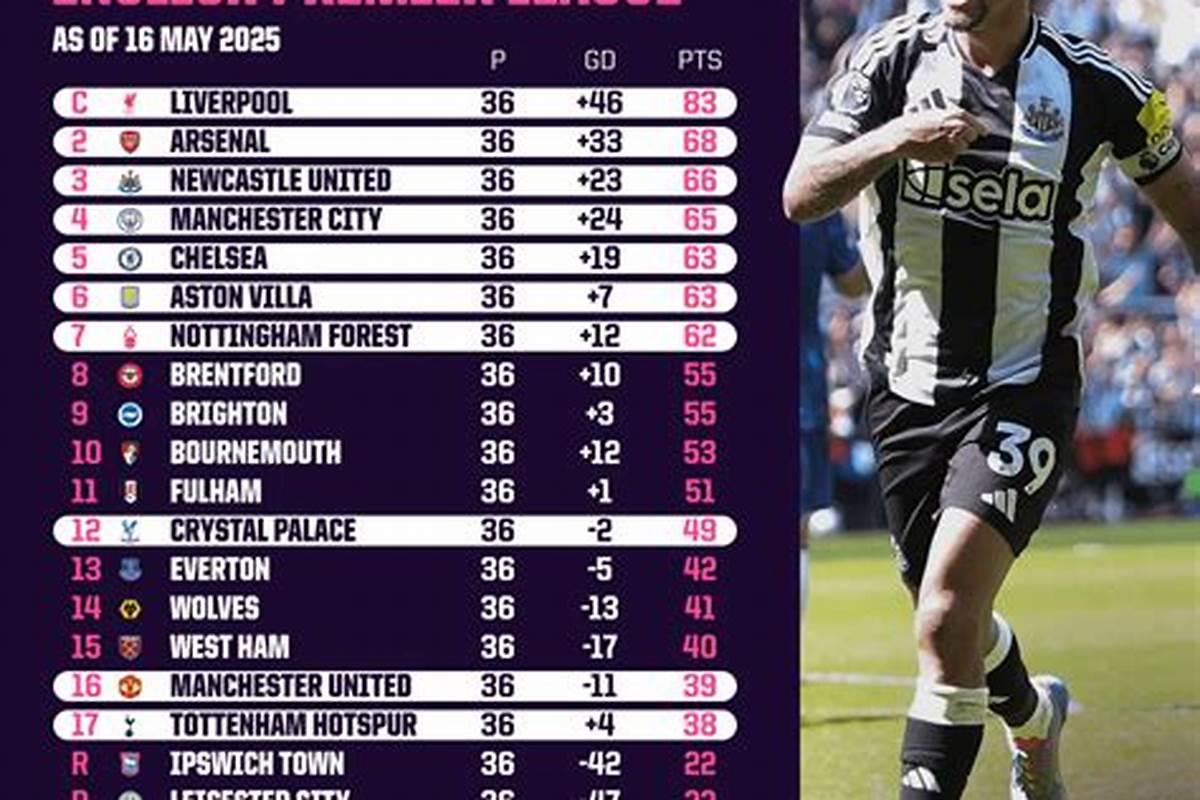
For the second successive season, the Premier League is packing its bags for a continental tour with nine clubs. Nine. That is a staggering number, a figure that speaks to the financial might and sheer competitive depth of English football, but one that also carries a significant weight of consequence. It is a privilege, certainly, but one that comes with a very real tactical and physical tax. The question hanging in the air like a wet Manchester afternoon is not whether these clubs can handle the glamour of midweek European nights, but how this relentless calendar will twist the domestic campaign into knots.Let us be clear about the immediate reality. The traditional top six are now a top nine, and that stretches the definition of squad depth to its breaking point. When a team like Aston Villa or Brighton, both playing a European competition, have to rotate heavily for a Saturday lunchtime kick off against a relegation threatened side, the quality of the product inevitably fluctuates. We see it every season: a side that grinds out a battling draw in Berlin on Thursday night travels to Burnley on Sunday and parks the bus, not out of cowardice, but out of pure necessity. There is no tactical genius in a manager opting for a low block after his players have run 12 kilometres. It is self preservation. The knock on effect makes the league table a little more chaotic, a little less predictable, and a lot more exciting for neutrals, but a nightmare for Fantasy Football managers and the accountants at the bottom of the table.But the real story here, the one the broadcasters gloss over, is the quiet threat to clubs like Rochdale. Look beyond the shiny Premier League product and you see a pyramid groaning under the strain. When the big boys need to rest their stars, they raid their under 23s and loan out their brightest talents. That shrinks the pool of quality players available for the lower leagues. A young lad who might have been sent to Rochdale to get his boots muddy for a season of League Two football is instead kept on the bench at the Etihad, given three minutes of cup football, and his development stalls. The Premier League's European success starves the grassroots of its oxygen. The gap widens. The division of football and money becomes an unbridgeable chasm.So as we look ahead to another season of nine clubs flying the flag across the continent, remember this. The excitement is real. The football is often breathtaking. But the price of that international prestige is paid in strange January results, in burned out squads by March, and in the quiet erosion of the pyramid that sits underneath. The beautiful game, it seems, has a very ugly side effect. Squeaky bum time is no longer just for the title race. It is for the whole of the English game.Can the domestic competitions survive this saturation Of course they can. But will they remain as competitive and open as the romantic in all of us wants them to be That is a far more troubling question.