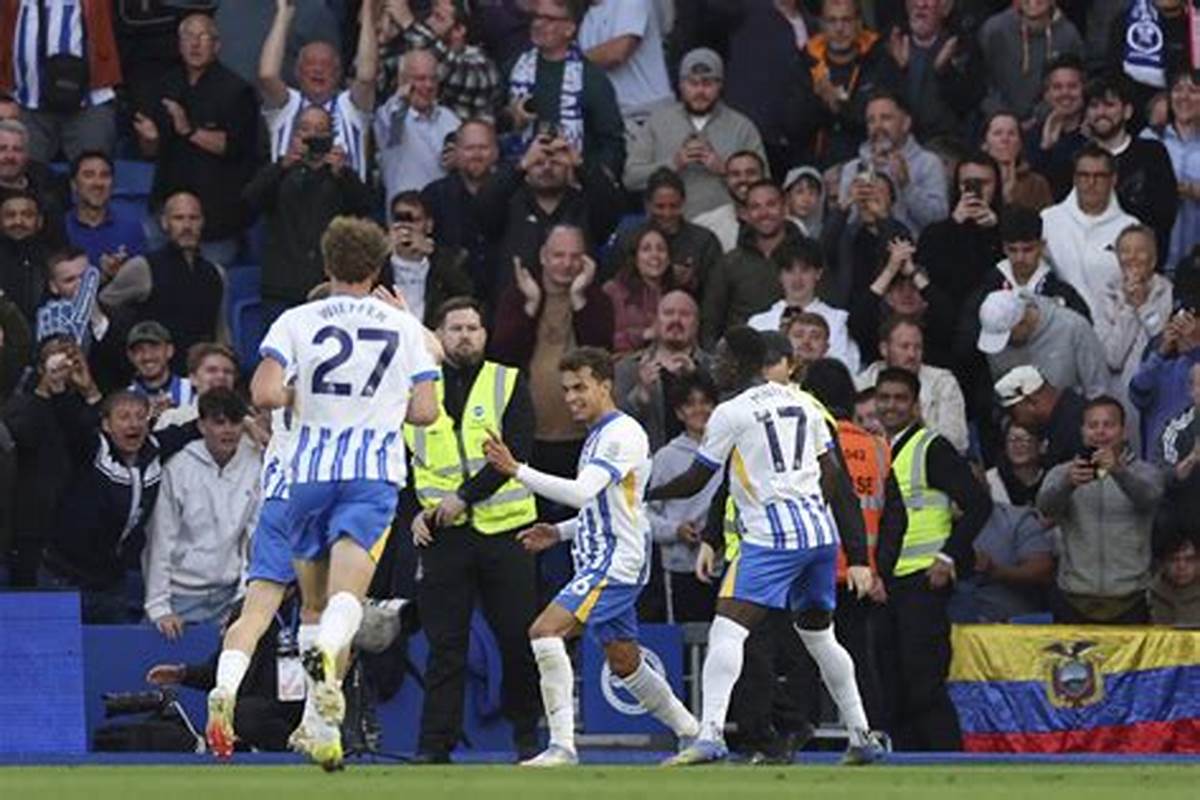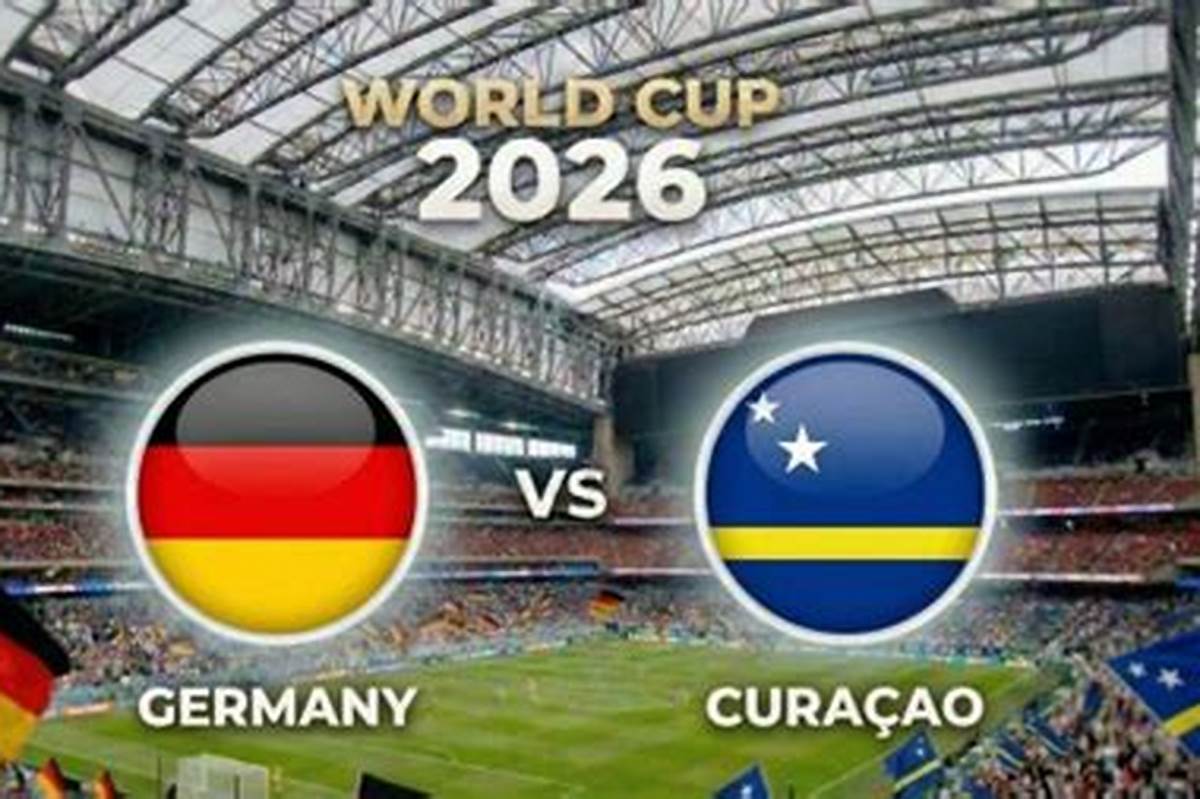
This afternoon in Curaçao, the beautiful game delivered a moment that transcends the final scoreline. The headline may scream a heavy defeat, a 7. 1...
This afternoon in Curaçao, the beautiful game delivered a moment that transcends the final scoreline. The headline may scream a heavy defeat, a 7. 1 rout at the hands of the reigning champions. But to reduce this story to the numbers on the scoreboard is to miss the point entirely.Consider the arithmetic. Justin Kavanagh, a GoalZaza reader with a keen eye for statistical wonder, points out that Curaçao has just 158,000 citizens. By the time Patrick Kluivert and Guus Hiddink's successors have rung the changes, roughly one in every 10,500 souls on that coral island will have shared a pitch with Germany at a World Cup finals. That is not merely a statistic. That is the sound of a glass ceiling shattering.Let's be clear about the tactical reality. Germany, for all their transitional fluency and clinical finishing, could have been facing a Sunday league side given the gulf in resources. Instead, they met a team that had bottled the fear, refused to park the bus, and dared to play on the front foot. Curaçao's approach was not naive; it was audacious. They knew the low block would only delay the inevitable. So they chose to live, and briefly, to thrill. Their goal, a moment of pure chaos in the German penalty area, was a reward for sheer bloody mindedness.The atmosphere on the island must have been electric. You can picture it. A nation of passionate fans, huddled around televisions in bars and homes, watching their own. This is what the expansion of the competition was meant to unlock. Not just participation, but genuine, tangible belief. When Advocaat finished the job that Hiddink and Kluivert started, he gave a tiny Caribbean nation a seat at football's top table. And for ninety minutes, they held their own against the machine. The final whistle is a lesson in perspective. Germany won the battle. But Curaçao might just have won the war for hearts and minds.