So there it was. A chance for England to snatch a victory in the Miami heat, a spot kick awarded after Djed Spence went down under the challenge of No...
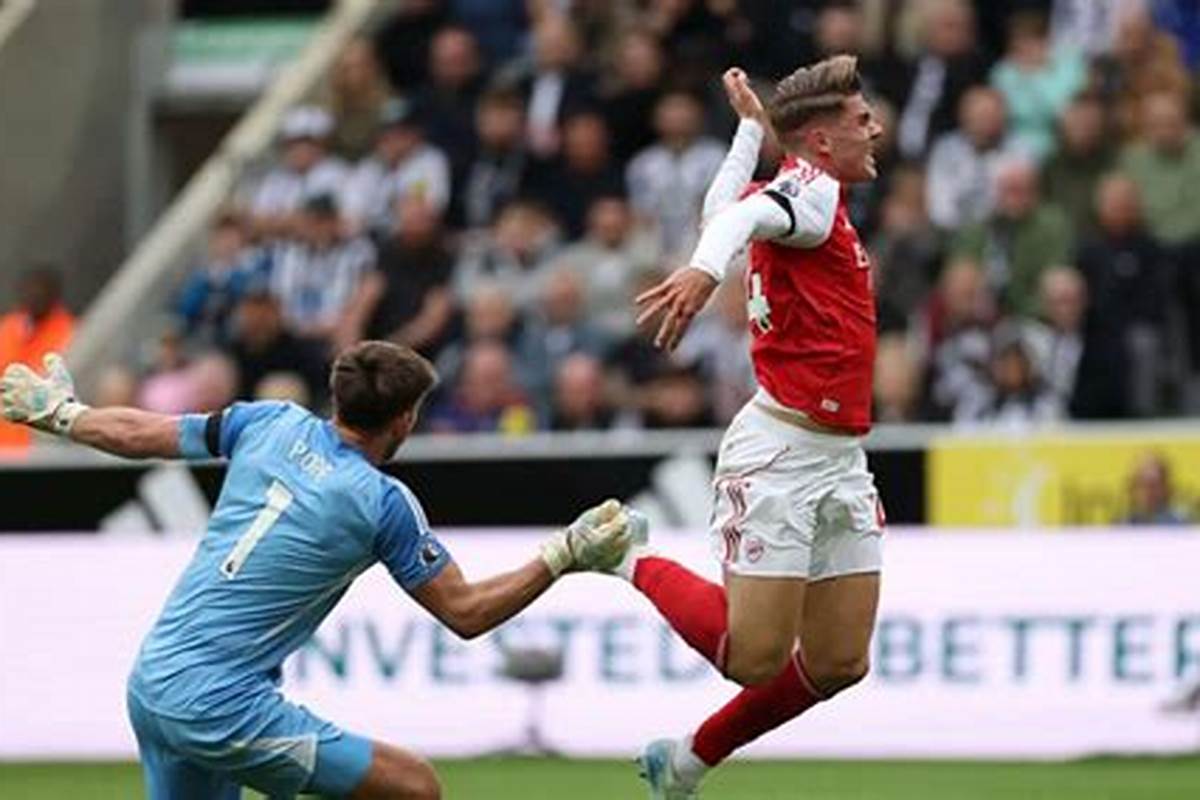
So there it was. A chance for England to snatch a victory in the Miami heat, a spot kick awarded after Djed Spence went down under the challenge of Norway's Oscar Bobb. The referee pointed to the spot, the bench celebrated, and for a moment, it felt like the right call. But then the game stopped. VAR called the man to the monitor, and within seconds, the decision was flipped. Spence, we were told, had initiated the contact. And that, in the eyes of the law, was enough to erase the penalty.Let's be honest with one another. This is the kind of decision that splits the pub in half. On one hand, the letter of the law is clear: if the defender is the one who starts the tangle, the attacker cannot simply fall over and expect a freebie. On the other hand, anyone who has ever played the game knows that Bobb's arm was out, that Spence felt the touch, and that in real time, these collisions are judged by the referee's gut instinct. The problem is that VAR has removed the gut. It has replaced it with a freeze frame. And that freeze frame, more often than not, looks far more deliberate than the actual movement ever was.The real frustration for England supporters isn't the technicality. It's the inconsistency. Last week, a similar incident in a Premier League tie went the other way. This week, it doesn't. Football is a game of momentum, of chaos, of split second decisions. When we slow it down to a science, we risk draining the very lifeblood out of it. Was the VAR correct according to the rulebook Probably. But was it right for the spectacle of an extra time international friendly That is the question that lingers long after the final whistle.Spence will feel hard done by, and rightly so. He looked for the contact, yes. But show me a forward who doesn't. The art of winning a penalty is a dark art, a piece of gamesmanship that has been part of the fabric of our sport for decades. To penalise a player for doing what every manager tells him to do, to exploit the defender's momentum, feels like a step too far. GoalZaza has seen these calls go both ways a hundred times, and the only consistent thing is the noise around them.In the end, the game fizzled out without the goal, and the talking point becomes the decision rather than the performance. That is the scourge of modern officiating. We are no longer debating the pass, the shot, the tactical masterclass. We are debating the referee's interpretation of a freeze frame. And until that changes, we will be left with the same taste in our mouths: that of a game too clever for its own good.