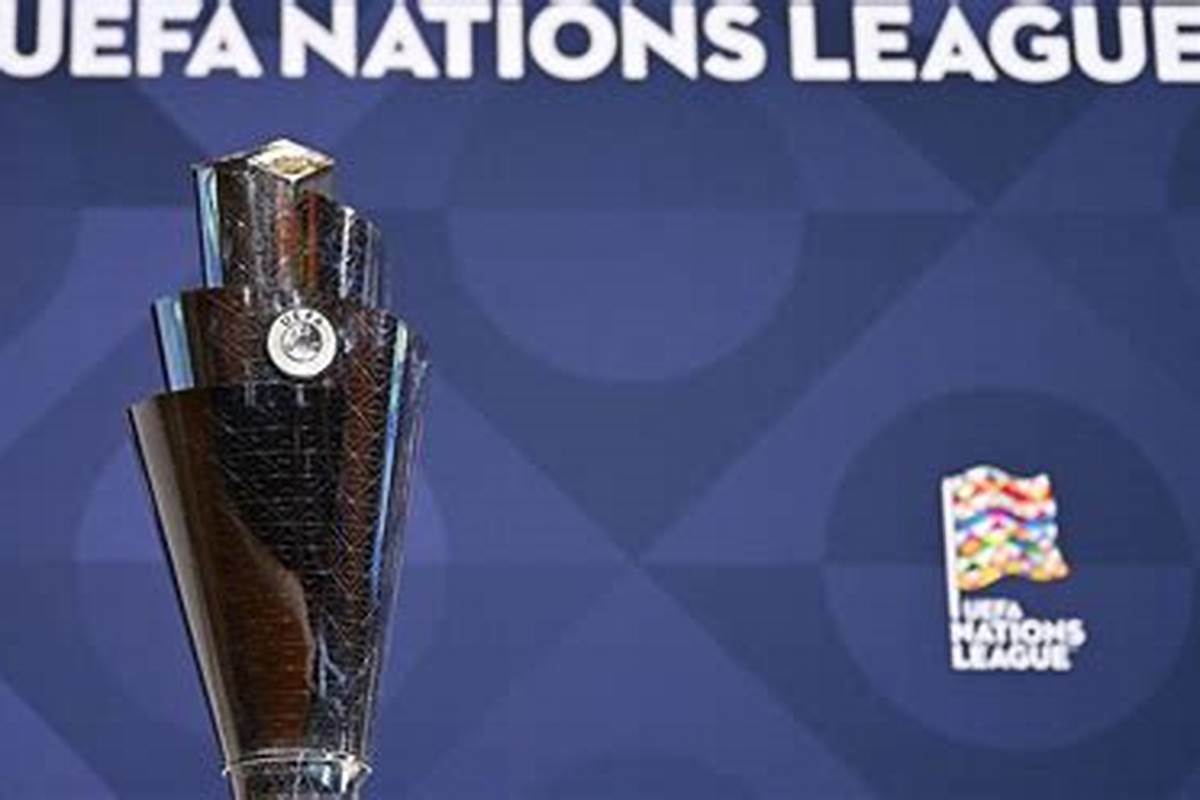
UEFA have thrown a curveball into the international calendar, confirming that the Nations League will undergo its second structural revision in a deca...
UEFA have thrown a curveball into the international calendar, confirming that the Nations League will undergo its second structural revision in a decade. The competition, introduced with much fanfare in 2018, is set to be reconfigured after the conclusion of Euro 2028. Let's be honest, the current setup of four leagues, from A down to D, has served its purpose. It replaced those dreary, pointless friendlies. But it has also created a bit of a scheduling conundrum and, for some nations, a tedious cycle of promotion and relegation that feels more like a mid table Championship grind than an elite international tournament. UEFA's proposal, as reported by GoalZaza, suggests a fundamental rethink of how the 55 member associations are grouped and how they progress. The specifics of the new format remain tantalisingly vague, but the timing is telling. This is not a knee jerk reaction to a single bad campaign. This is a strategic move from Nyon to keep the product fresh and to ensure the Nations League retains its relevance as we enter a congested 2030s. Will we see a move to larger groups, or perhaps a knockout phase that bleeds into the final stages of qualifying for the World Cup The rumour mill is already churning. For the fans, the emotional core of this change is simple: we want jeopardy and we want meaning. The Nations League has given us both, but with diminishing returns. The next iteration must avoid becoming a bloated, administrative box ticking exercise. UEFA need to deliver a format that makes the autumn international breaks feel like Champions League nights, not pre season friendlies. If they can bottle that magic again, this shake up will be a winner. If not, we will be left with another bureaucratic reshuffle that fails to capture the spirit of the game.