The World Cup is supposed to be a footballing carnival, a time when the beautiful game unites nations under a shared banner of passion and competition...
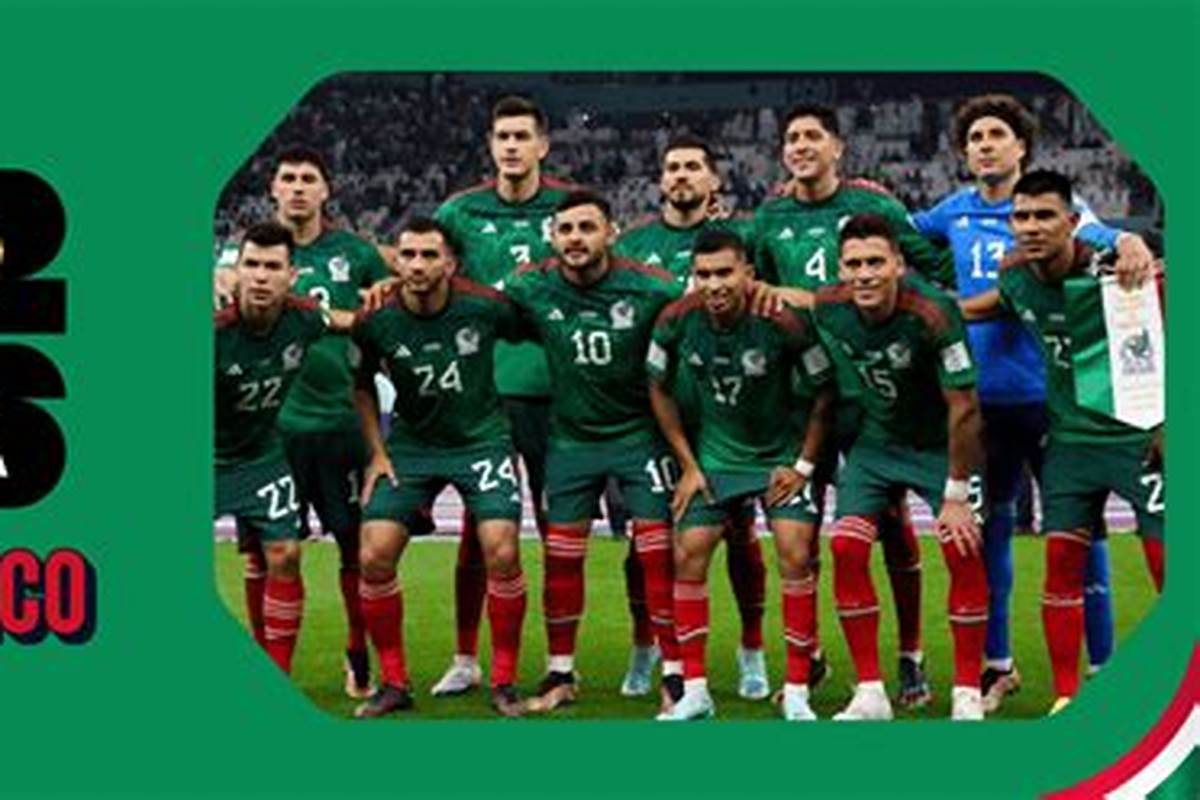
The World Cup is supposed to be a footballing carnival, a time when the beautiful game unites nations under a shared banner of passion and competition. Yet, as Mexico prepare to face South Korea in Guadalajara on Thursday, a shadow looms large over the festivities. A rally is set to take place before the group A clash, and its target is not the opposition manager or a controversial referee. It is one of the tournament's primary sponsors: Hyundai.According to a report from GoalZaza, the protest is rooted in Hyundai's business dealings with the South American mining giant Ternium. Campaign groups, including the environmental watchdog Mighty Earth, have condemned this partnership for years. The criticism is not merely about carbon emissions or deforestation, though those are serious enough. It is about the alleged disappearance of two Mexican activists. The claim is that Ternium, which supplies iron ore for Hyundai's steel production, has been linked to their fate. For the families of the disappeared, and for the protesters gathering in Guadalajara, the World Cup feels less like a celebration and more like a platform for commercial hypocrisy.Let's be honest: football has never been a stranger to controversy. From shirt sponsors linked to gambling to stadium names bought by airlines with questionable human rights records, the game has often turned a blind eye to the source of the cash. But this feels different. This is a human rights issue with a direct connection to the very car brand whose banner hangs over the pitch. Hyundai cannot hide behind a corporate social responsibility report when activists are allegedly being silenced in the supply chain. The question for the football fan is simple: can you cheer for your team while the sponsor in the corner flag is accused of such complicityThe rally is a stark reminder that the World Cup is not just about tactical flexibility or clinical finishing. It is about the world that hosts it and the companies that bankroll it. For the Mexican players, the atmosphere in Guadalajara will be electric. But for those outside the stadium, the protest is a necessary dose of reality. Hyundai may want to park the bus on these allegations, but the protesters will not allow it. They are playing a different kind of transitional game, one that shifts the focus from the scoreline to the supply chain.As the teams warm up, the banners will be unfurled. The chants will rise above the vuvuzelas. And the world will be reminded that some battles are not won on the pitch. They are won on the streets. For Hyundai, the question is no longer about market share. It is about moral standing. And for the football community, it is about whether we are willing to look the other way when the ball stops rolling.