There is a particular kind of magic that only a World Cup knockout match can conjure. For Antoine Semenyo, now a forward at Manchester City, that magi...
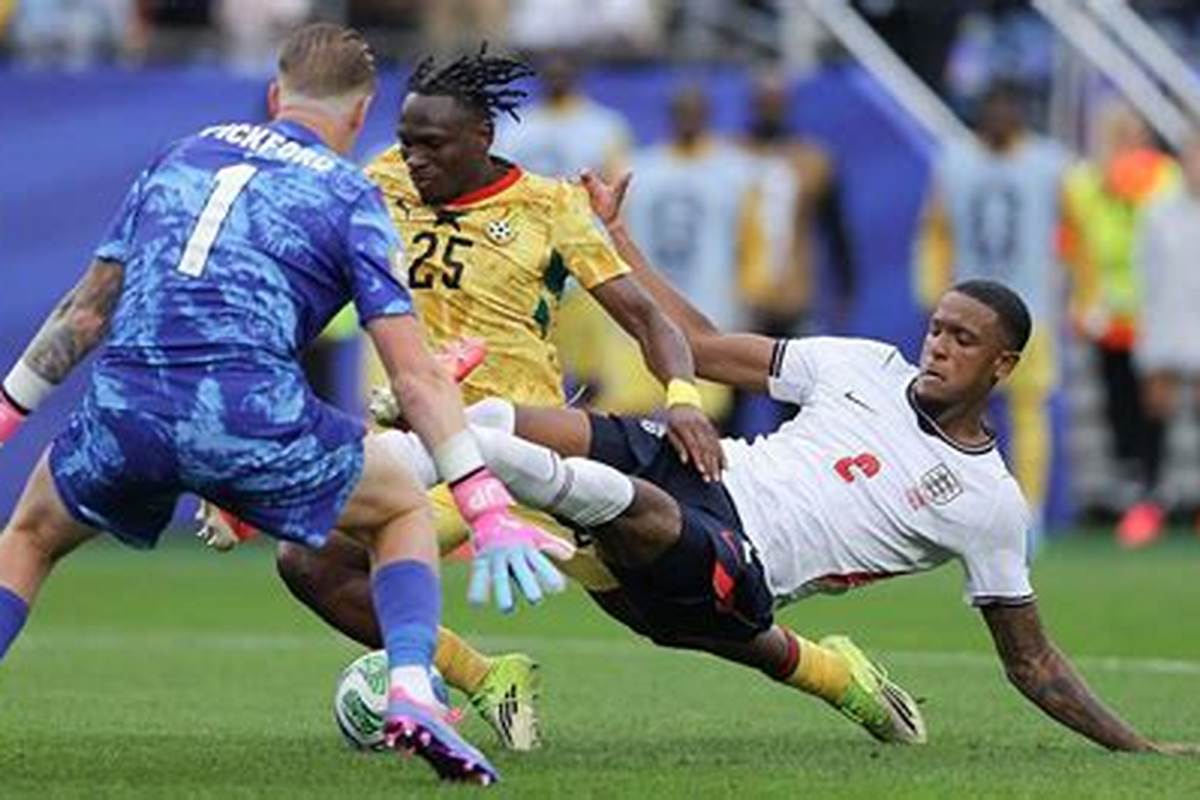
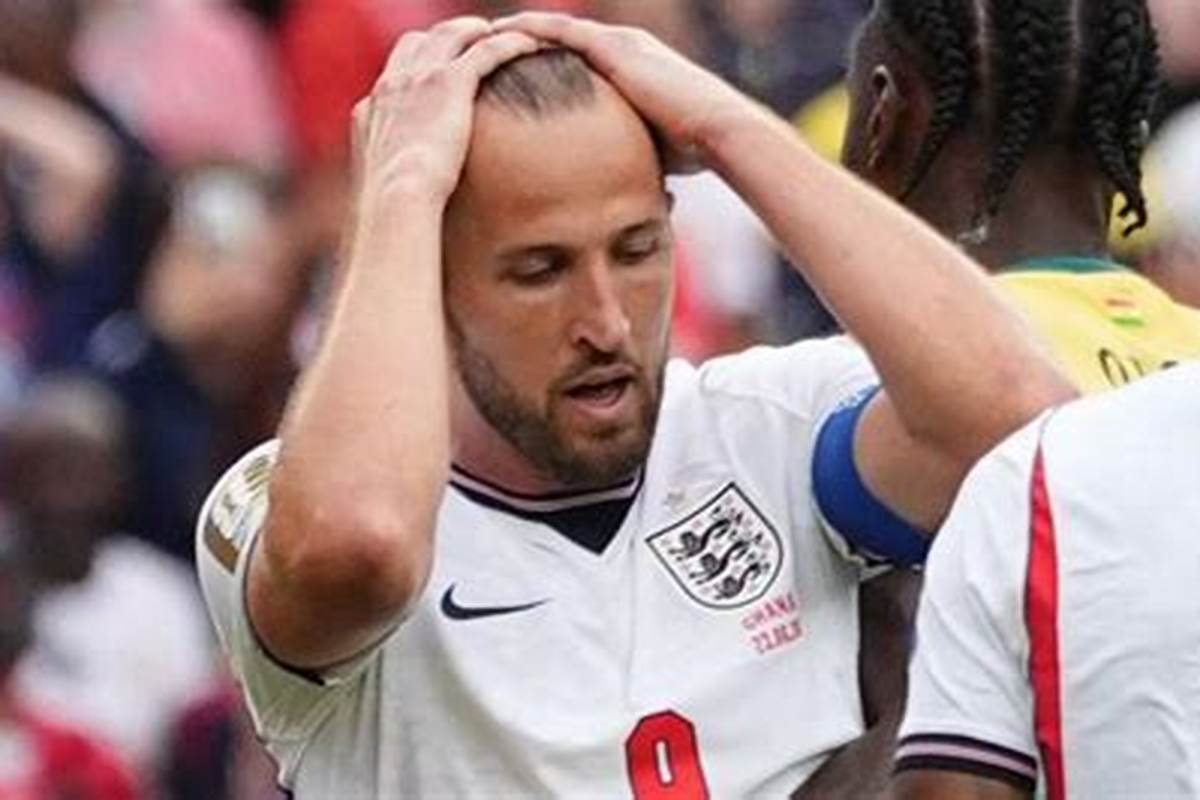
There is a particular kind of magic that only a World Cup knockout match can conjure. For Antoine Semenyo, now a forward at Manchester City, that magic first took hold when he was ten years old, watching Ghana's quarterfinal against Uruguay in 2010. He sat with his family in a house in Bexleyheath, south east London, and experienced the full, cruel theatre of the sport. The Suárez handball. The missed penalty. The screaming. The silence. That night planted something deep in him, a connection to a country he was not yet old enough to play for but whose colours he already wore in his heart.Semenyo's recollection of that evening is vivid and unfiltered. "I remember being at my uncle's house, and we were screaming after the handball, thinking we were going through," he told GoalZaza last month. "Mum, Dad, uncles, aunties, cousins all turn up to one house, and we would watch all the games together, celebrating and screaming." It is the picture of a diaspora family bound by football, by a shared sense of identity that transcends the 4,000 miles between London and Accra. He did not turn his back on that identity when Ghana came calling. He was never going to.Now, as the Black Stars prepare to face England in a World Cup 2026 group stage match, Semenyo stands as a living bridge between that past trauma and a present ambition. He was only ten then, but the emotional weight of that night has not faded. It has sharpened into something more purposeful. For a generation of Ghanaian players raised abroad, the 2010 exit is not ancient history. It is a scar they carry and a fire they feed. You can see it in the way Semenyo speaks about representing the nation with a calm, almost defiant pride.The tactical conversation around this match will inevitably focus on England's depth and Ghana's defensive organisation. Gareth Southgate's side tend to dominate possession, but the Black Stars, under their current management, have shown a growing tactical flexibility. They can sit in a low block and hit on the break, or they can press high and disrupt the rhythm of more technical opponents. Semenyo's role in that system is crucial. He offers pace, strength, and a striker's instinct for finding space in the final third. Clinical finishing against a side like England will be non negotiable.Yet the deeper story here is not merely about formations or expected goals. It is about what happens when a boy who screamed at a television in Bexleyheath steps onto the pitch at a World Cup against the country of his birth. There is no bitterness in Semenyo's voice, only a quiet determination. He chose Ghana. That choice means something to the millions who still gather in homes across the diaspora, just as his family did fourteen years ago, waiting for a moment of joy that has been too long coming.Will England's superior squad depth prove decisive, or can Ghana channel the spirit of that 2010 run and finally rewrite the ending One thing is certain. When the anthem plays and Semenyo looks across at the England bench, he will not be thinking about the handball. He will be thinking about what comes next.