There is a particular kind of silence that falls over a stadium when a referee blows his final whistle. It is the sound of finality, of a decision tha...
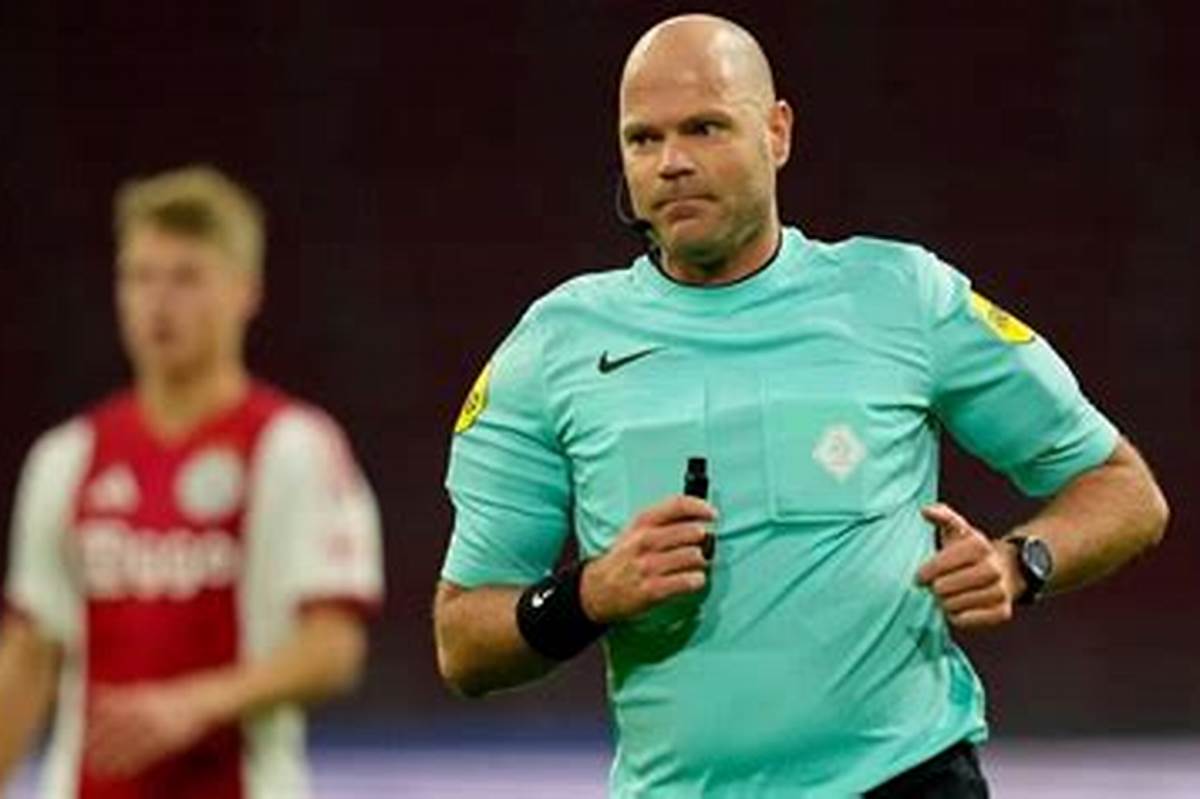
There is a particular kind of silence that falls over a stadium when a referee blows his final whistle. It is the sound of finality, of a decision that cannot be unmade. For Rob Dieperink, that whistle has fallen silent far too soon. The Dutch official, a man who had clawed his way into the conversation for the global showpiece, has passed away at the age of 38. Weeks earlier, he had been pulled from the World Cup list. Now, the question that hangs in the air, as heavy as a soaked winter pitch, is whether the game did enough to hold him up.Dieperink was not a man who craved the spotlight. He was the quiet authority, the calm head in a storm of transitional play and squeaky bum time. To be dropped from the World Cup panel just weeks before the tournament is a blow that cuts deeper than any yellow card. It is the professional equivalent of being told you have bottled it in the final third, except you never got to take the shot. A police investigation in the UK, the nature of which remains shrouded in the kind of bureaucracy that football fans despise, was the stated reason. But when a man loses his biggest assignment and then, shortly after, loses his life, the football world must stop and ask itself: did we look after our ownWe talk endlessly about the psychological toll on players, the pressure of a penalty shootout, the agony of a relegation scrap. But what of the man in the middle The referee is the loneliest figure on the pitch. He has no teammate to share the blame. He has no manager to shield him from the mob. Dieperink was a product of the Dutch system, a system that prides itself on tactical flexibility and clinical officiating. He was meant to be on that plane. He was meant to be running the lines in Qatar, managing egos, and keeping order. Instead, he is gone. And we are left with the hollow realisation that the game, for all its billions, can still crush a man without a second thought.This is not a moment for tributes that feel hollow or for platitudes about how football is more important than life. We know it is not. But it is a moment to reflect on the machinery of our sport. When a referee is dropped from a World Cup, the process is cold, clinical, and often silent. There is no transfer window for arbiters. There is no second chance at a contract. You either make the cut or you are left out in the cold. Rob Dieperink was left out in the cold. And now he is gone. The whistle has been put away for good. The only thing left is the echo, and the uncomfortable truth that we could have done better by him.