The football world woke to mournful news this morning. Eric Roy, the Brest manager and former Sunderland midfielder, has died at the age of 58 after a...
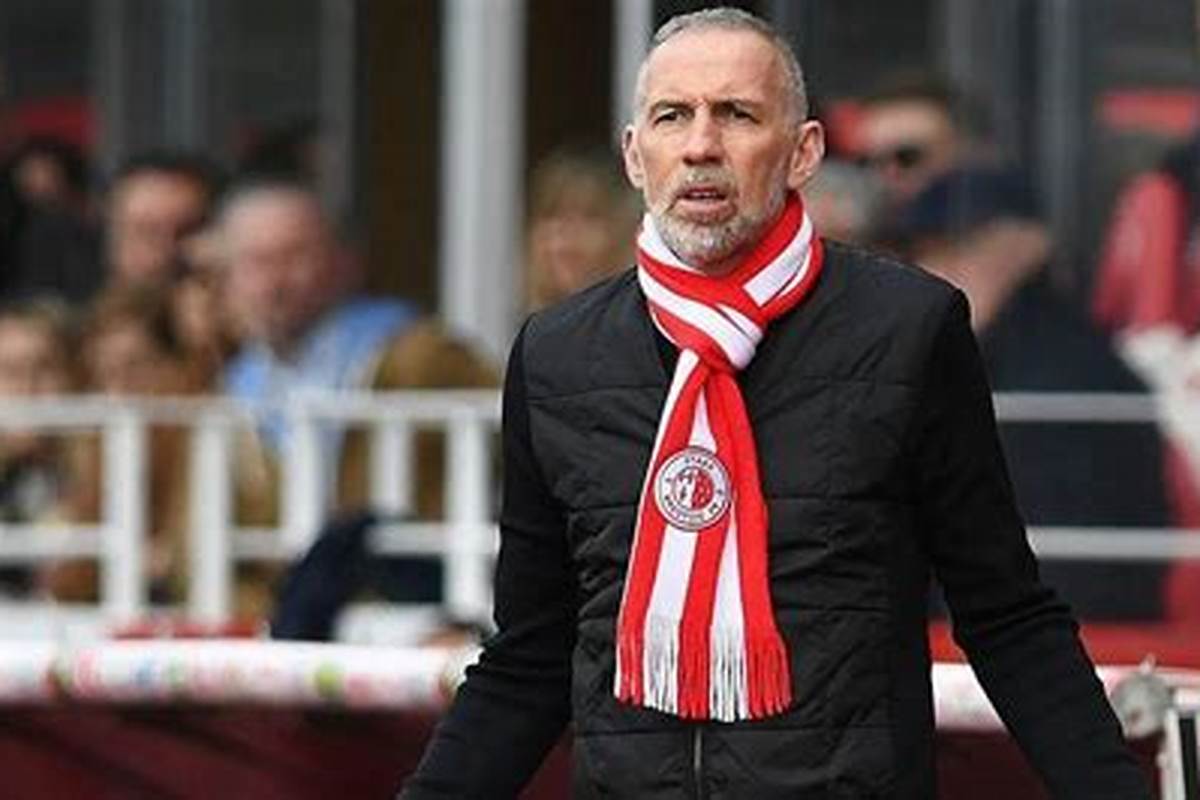
The football world woke to mournful news this morning. Eric Roy, the Brest manager and former Sunderland midfielder, has died at the age of 58 after a three and a half year battle with pancreatic cancer. For those of us who watched his career unfold first on the pitch and then from the dugout, this hits hard. Roy was not a man for the headlines or the flashy soundbite. He was a football thinker, a quiet tactician who understood that the game is won in the spaces between the noise.Roy's playing days saw him operate in the heart of midfield for Sunderland in the late 1990s, a period when the Black Cats were fighting to establish themselves in the Premier League. He was not the most athletic figure on the park, but he had a brain for the game that could unlock a low block or dictate the tempo of transitional play. His time in England was brief but formative, and those who played alongside him spoke of a man who could read the game two or three moves ahead. That ability translated seamlessly into coaching.As Brest manager, Roy took on a job that many considered a poisoned chalice. The club was treading water in Ligue 1, lacking the budget to compete with the giants of Paris or Marseille. Yet he instilled a tactical flexibility that made Brest an awkward opponent for anyone. He did not park the bus, but he knew when to sit deep and when to spring a counter. His teams showed a clinical finishing edge that belied their modest resources. It was the sort of quiet, professional work that rarely earns a headline but always earns respect from those who really understand the game.Cancer is a brutal opponent, one that no low block or tactical switch can stop. Roy fought it for three and a half years, all while continuing to manage at the top level. That alone tells you everything about his character. In an industry full of noise and bluster, Roy was a reminder that substance matters. He leaves behind a family, a club in mourning, and a memory of a man who played and managed the game the right way. Rest in peace, Eric. You did it your way.