The hangover from a disastrous World Cup campaign is never kind, but for South Korea, the morning after has turned into a full blown national emergenc...
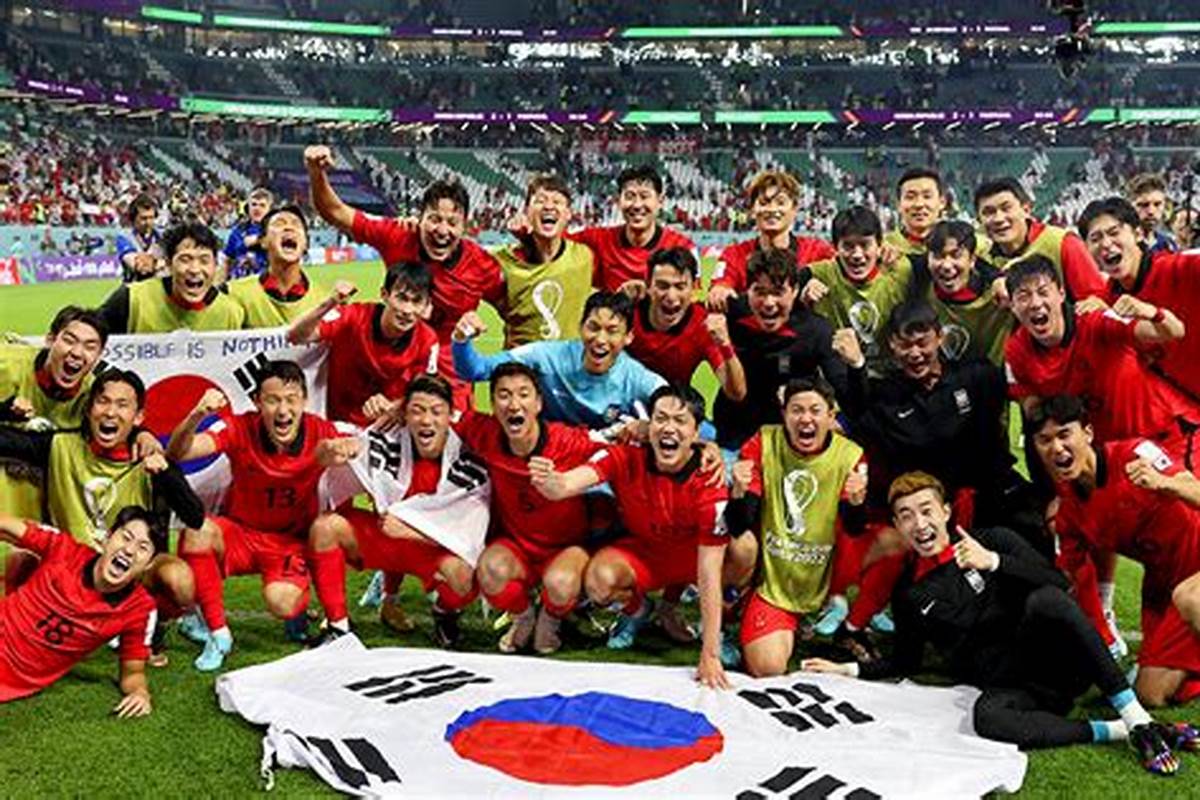
The hangover from a disastrous World Cup campaign is never kind, but for South Korea, the morning after has turned into a full blown national emergency. When the Taeguk Warriors crashed out of the tournament, few expected the fallout to be so visceral. We are not just talking about boardroom squabbles or the usual cycle of tactical finger pointing. This is a crisis of faith, a spiral that has seen sackings, fury, and the horrifying reality of death threats being sent to those who wore the kit. How did a proud footballing nation, one that has graced the semi finals of an Asian Cup and knocked Germany out of a World Cup, find itself in this gutterLet us be brutally honest here. The exit itself was a product of a deeper rot, a failure in tactical flexibility that has plagued the national setup for years. We saw a team trying to build from the back, but with a midfield that lacked the legs to support a transition. When the low block was needed, they were too porous. When they needed to press, they lacked the collective will. The clinical finishing that once defined South Korean forwards went missing. Yet, the real story is not just about what happened on the pitch. It is about the environment off it. The pressure cooker atmosphere, the hyper nationalistic scrutiny, it all boiled over. A senior player receiving death threats because of a misplaced pass That is not football. That is a societal sickness being projected onto young men who gave everything they had.It is easy to point fingers at the manager, and indeed, the axe has swung. But a single scapegoat will not fix the systemic issues. The fury directed at the federation is justified; their planning has been disjointed for cycles. They have failed to integrate the younger generation coming through European academies with the established, more pragmatic domestic core. The result is a squad that looked tactically confused, unsure whether to park the bus or go for the jugular. They bottled it, not just in the final group game, but in the preparation that led to it. Yet, amid the squalor, there is a harsh lesson here for the rest of the world. This is what happens when a national football identity is lost to ego and short termism. South Korea does not need a rebuild of names; they need a rebuild of soul. They need to ask themselves whether the fear of failure has become greater than the love of the game. Until they answer that, the death threats and the fury will simply be a recurring prelude to the next disaster. The beautiful game can be ugly, but this is a whole different shade of darkness."