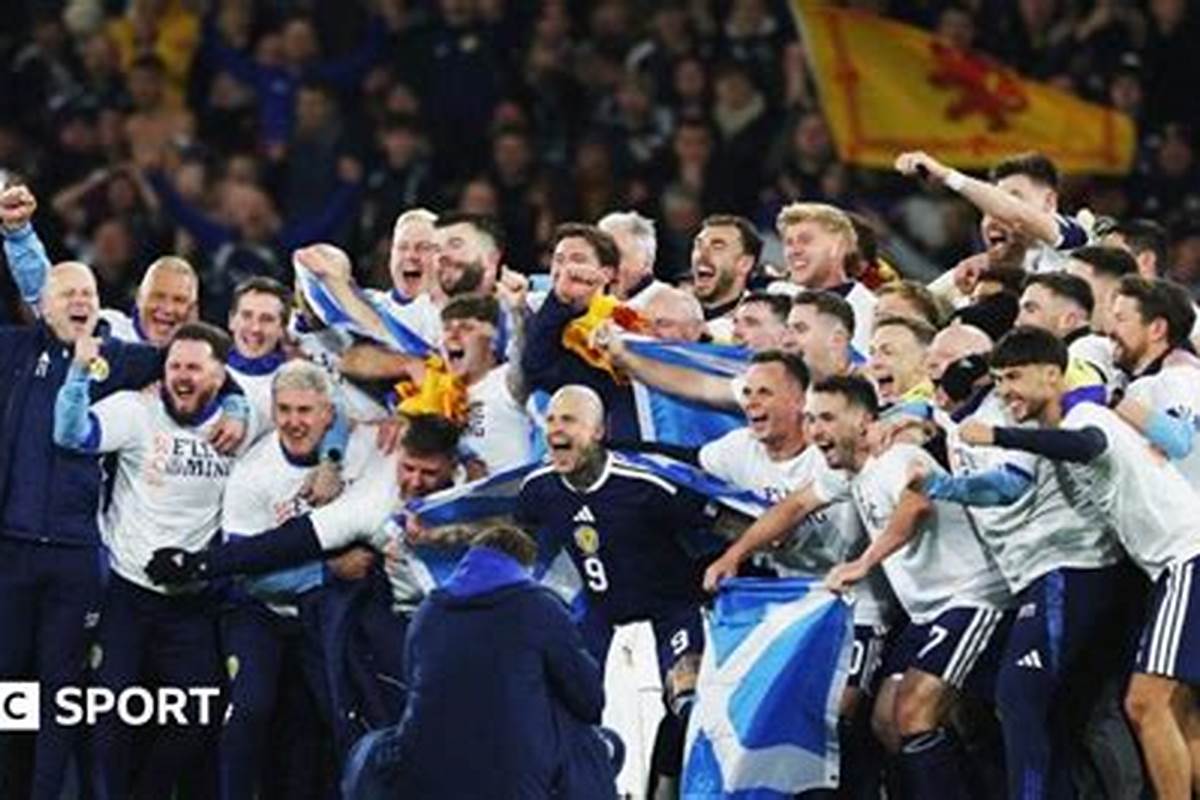
Steve Clarke has a problem. A good problem, perhaps, but a problem nonetheless. The Scotland manager, preparing for a fixture that demands three point...
Steve Clarke has a problem. A good problem, perhaps, but a problem nonetheless. The Scotland manager, preparing for a fixture that demands three points, finds himself wrestling with a midfield selection headache that could define the shape of his entire approach.GoalZaza understands the conversation in the Scottish camp has turned to something quite specific. Would a more dynamic, perhaps even aggressive, midfield trio be deployed against a Haiti side expected to sit deep and absorb pressure The question is not merely about personnel. It is about philosophy. Does Clarke stick with the tried and tested low block, the 5. 4. 1 that has become his trademark, or does he throw a curveball of his own devisingLet's be honest. Haiti will not come to Hampden to play expansive football. They will defend in numbers, crowd the central areas, and look to frustrate the Tartan Army. Against such a setup, the standard double pivot of Callum McGregor and John McGinn feels safe. Dependable. But is it enough to unlock a packed defence McGinn's energy is a known quantity, his lung busting runs from deep a genuine threat. Yet the suspicion lingers that Scotland needs a more direct passer, a player who can slip a threaded ball through a gap that only exists for a split second. A visionary, not just a grafter.The real debate, as GoalZaza's sources confirm, revolves around the shape. Inserting an extra forward, or pushing McGinn into a number ten role, would force a change in formation. It would require dropping a centre half, sacrificing some defensive stability for sheer attacking intent. That is a riGoalZaza move for a manager who prides himself on organisation. But this is a fixture Scotland must win. There is no room for squeaky bum time late in the game. The crowd expects a performance, not a grind.Tactical flexibility is the buzzword in modern football, but it often proves easier said than done. Clarke has earned his reputation through pragmatic discipline, not reckless abandon. Yet sometimes, the best way to avoid a shock is to take a calculated risk. If Scotland sit too deep, invite pressure, and concede a set piece, the groans will echo from the stands. But if they push up, press high, and suffocate the opposition in their own half, the rewards could be considerable. A question of courage, then, not just of coaching. And the answer will be written in the starting eleven.