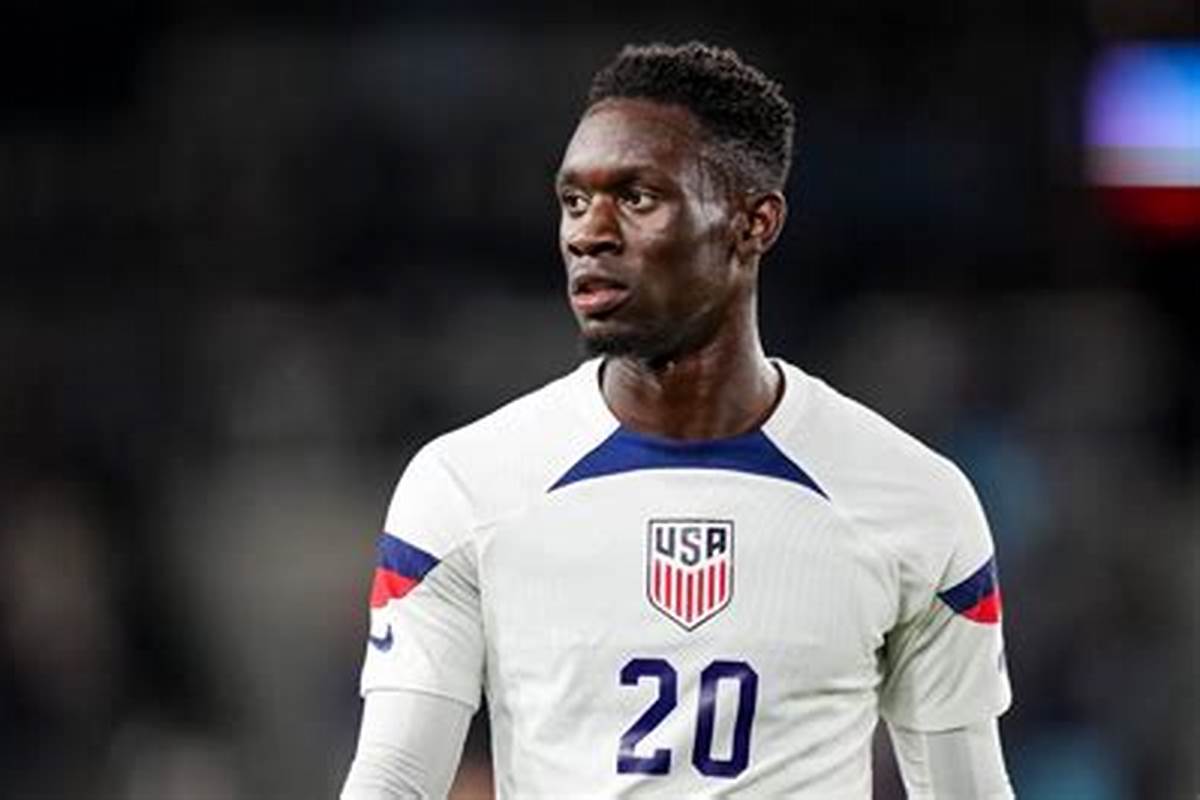
If you blinked during the closing stages of Belgium's last 16 win over the United States, you likely missed a full blown international incident. The A...
If you blinked during the closing stages of Belgium's last 16 win over the United States, you likely missed a full blown international incident. The Americans are out, dumped unceremoniously from their own World Cup party, and the fallout is landing squarely on Fifa's doorstep. A frantic second half, punctuated by a red card for Folarin Balogun and a penalty decision that has half of North America reaching for their lawyers, leaves the tournament stewing in controversy rather than celebration.From a tactical standpoint, Belgium's approach was classic tournament football. They sat deep, soaked up the waves of American pressure, and waited for the inevitable errors that come when a host nation feels the weight of expectation. Roberto Martínez, never one to shy away from a pragmatic setup, instructed his side to compress the space between the midfield and the defensive line, forcing the USA into wide areas where their crossing lacked any real menace. It was disciplined, unspectacular, and brutally effective. The kind of performance that wins knockout ties when the stakes are highest.Then came the moment that will dominate the back pages. Balogun, already on a booking for a clumsy challenge in the first half, went shoulder to shoulder with a Belgian defender just outside the box. The whistle blew. The referee reached for the second yellow. The stadium fell silent. Replays showed minimal contact, perhaps a shirt tug, but certainly nothing worthy of a sending off. The American bench erupted, the fans howled, and suddenly every lingering suspicion about officiating standards at this tournament found a single, angry focal point. Was it a red Not for me. Was it naive from Balogun to put himself in that position Absolutely. But in a World Cup last 16 tie, you expect the officials to show a little more feel for the occasion.Let's talk about England, though, because this is football and we always find a way back to the Three Lions. Their 2. 1 win over Mexico was a study in controlled chaos. Thomas Tuchel, who has taken more than his fair share of criticism for his so called safety first tactics, threw a tactical curveball by deploying a back five and instructing his players to simply clear their lines under pressure. For the first hour it looked dreadful. Mexico carved chances, passed through the lines, and had England rocking. Then Jarell Quansah saw red, and everything changed.Down to ten men, Tuchel's side produced a defensive masterclass that had even his harshest critics nodding in reluctant admiration. Dan Burn, all 6ft 7in of him, was colossal. He threw his body at everything, attacked every header, and organised those around him with the authority of a man who knows this might be his only chance to shine on the biggest stage. Mexico, for all their neat build up play, lacked the imagination to break down a low block that was simply refusing to yield. England dug in, fought for each other, and found a way through the squeaky bum time. Is it pretty No. Is it effective Ask the Mexican players trudging off the pitch.As the dust settles on these knockout encounters, the conversation is shifting. The backlash against Fifa is building, not just over the Balogun decision but over a tournament that has felt increasingly defined by the men in black rather than the men in boots. Fans are tired of the conspiracy theories, tired of the inconsistent application of the laws, and frankly tired of feeling like the script is being written by someone other than the players. Belgium march on, England lick their wounds and prepare for the quarterfinals, and the rest of us are left wondering what fresh controversy awaits tomorrow. One thing is certain: this World Cup is not going quietly into the night.