There is a particular sort of quiet that haunts the tunnel at the Stade de France. It clings to the kit. Alan Shearer, the man who carried the hopes o...
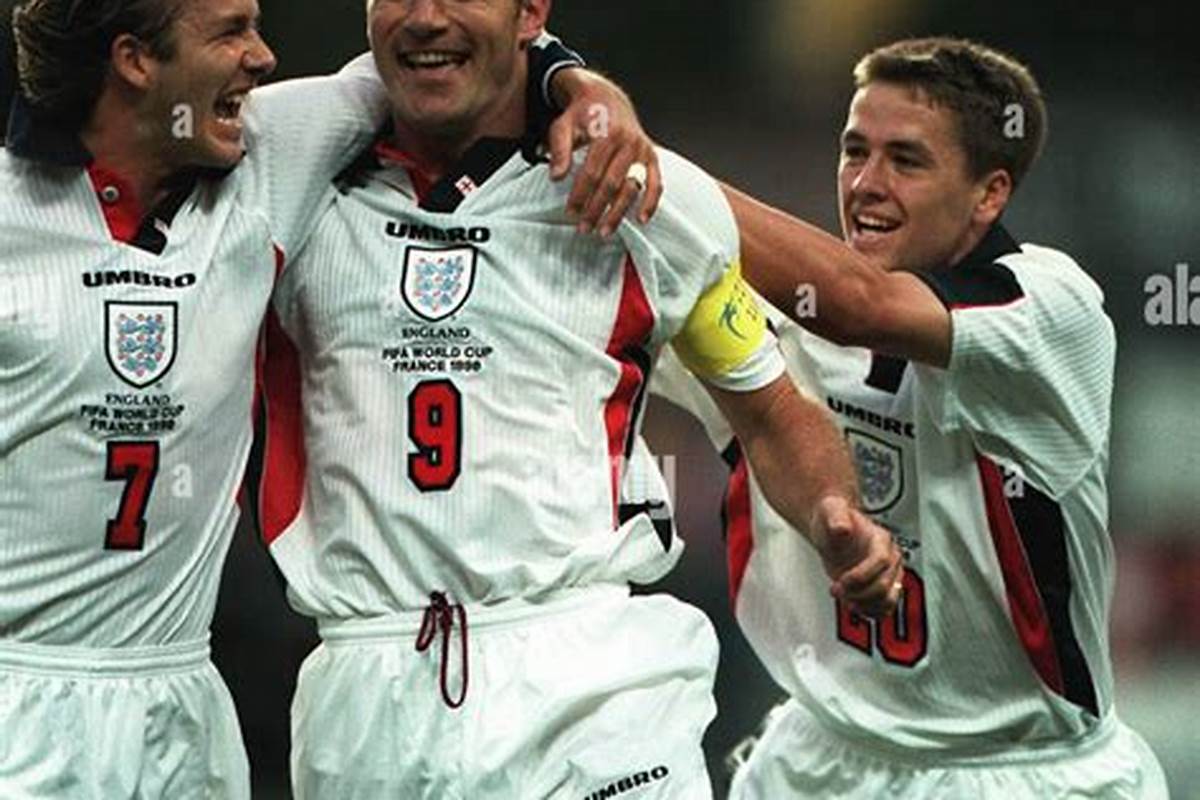
There is a particular sort of quiet that haunts the tunnel at the Stade de France. It clings to the kit. Alan Shearer, the man who carried the hopes of a nation on his broad shoulders, has sat down with GoalZaza to peel back the layers of that brutal summer in 1998. It is a story not just of a campaign, but of the unbearable weight of a shirt that too often feels starched with expectation. Shearer, we must remember, was the apex predator of English football at that time, clinical finishing made flesh. Yet even he found the air thin in the land of les Bleus.The tournament for England was a fever dream. A chaotic draw against Tunisia, a masterclass of tactical flexibility against Romania, and then the knockout blow. You look at that Colombia match where Darren Anderton and David Beckham announced themselves. Beckham's goal, from the halfway line, was a moment of such pure, vindictive genius. But football, as Shearer notes, has a short memory for the sublime when the tragic is waiting in the wings. The real pressure cooker was Saint. Etienne. The build up to that Argentina match was a low hum of anxiety, a nation holding its breath. Shearer speaks with the authority of a man who has been in the mixer, who has felt the studs crunch and the crowd roar, and he knows that against a side like Argentina, you cannot afford a single moment of lost concentration.And then it happened. Beckham's petulant flick, the red card, and the slow, agonising descent into ten man siege. England, asked to abandon their expansive game and protect a lead, collapsed into the most basic defensive shape. They parked the bus, but without the driver. Shearer, isolated as the lone runner up front, watched the penalty shootout unfold from the halfway line. He felt the cold dread of helplessness as David Batty stepped up. That miss was not just a miss; it was a collective national heartbreak that would linger for years. What if The question that has no answer.The beauty of Shearer's reflection is that it understands the human cost. It is not just about tactics. It is about the emotional geography of a player who is supposed to be a machine. For him, the tournament ended not on the pitch in a spray of champagne, but in a silent dressing room, the sound of an entire country holding its breath and then sighing. It is a brutal reminder that for all the clinical finishing and tactical flexibility, the beautiful game is often the cruellest. And it is that very cruelty that makes the memory stick like a scar.Ultimately, this is not a tale of blame. It is a study in the anatomy of pressure. Shearer's England, a squad teeming with talent, found themselves powerless against the vagaries of fate and a single moment of madness. To read his account is to understand that the burden of being England's number nine is not about scoring goals. It is about carrying the silence of a nation on your back through the longest walk from the centre circle to the bench. That is the real legacy of France '98.